Choose Creatify
the job is avatar-led UGC video ads at volume, tested against performance.
Creatify does one thing with unusual focus: take a product and produce avatar-led video ads that look like UGC, fast enough to test a dozen hooks in an afternoon. If your bottleneck is video ad volume for performance testing, it is a direct answer. Mujo is not a direct answer to that — it is where the campaign those ads belong to gets made, including the product imagery Creatify would otherwise be working from.
Three lines before the detail. If the first one describes you, Creatify is the better purchase and the rest of this page will not change that.
the job is avatar-led UGC video ads at volume, tested against performance.
the job is the whole campaign — product imagery, stills, formats and video from one direction.
one produces the ad format; the other produces the creative everything is cut from.
Three things this platform does not do, said before the arguments in its favour.
Mujo has AI characters, but it is not built to mass-produce spokesperson ads.
No hook testing against results, no competitor ad tracking, no ad accounts.
There is no library of UGC ad templates to drop a product into.
A practical comparison of the workflow each platform is designed to support, across nine dimensions.
Creatify is a UGC ad generator. Its unit is a finished video ad with an avatar delivering a script, assembled from templates, and its value is how quickly a team can put fifteen hook variations into a test. Credits price the output: a video costs between two and twenty credits depending on length, avatar and quality.
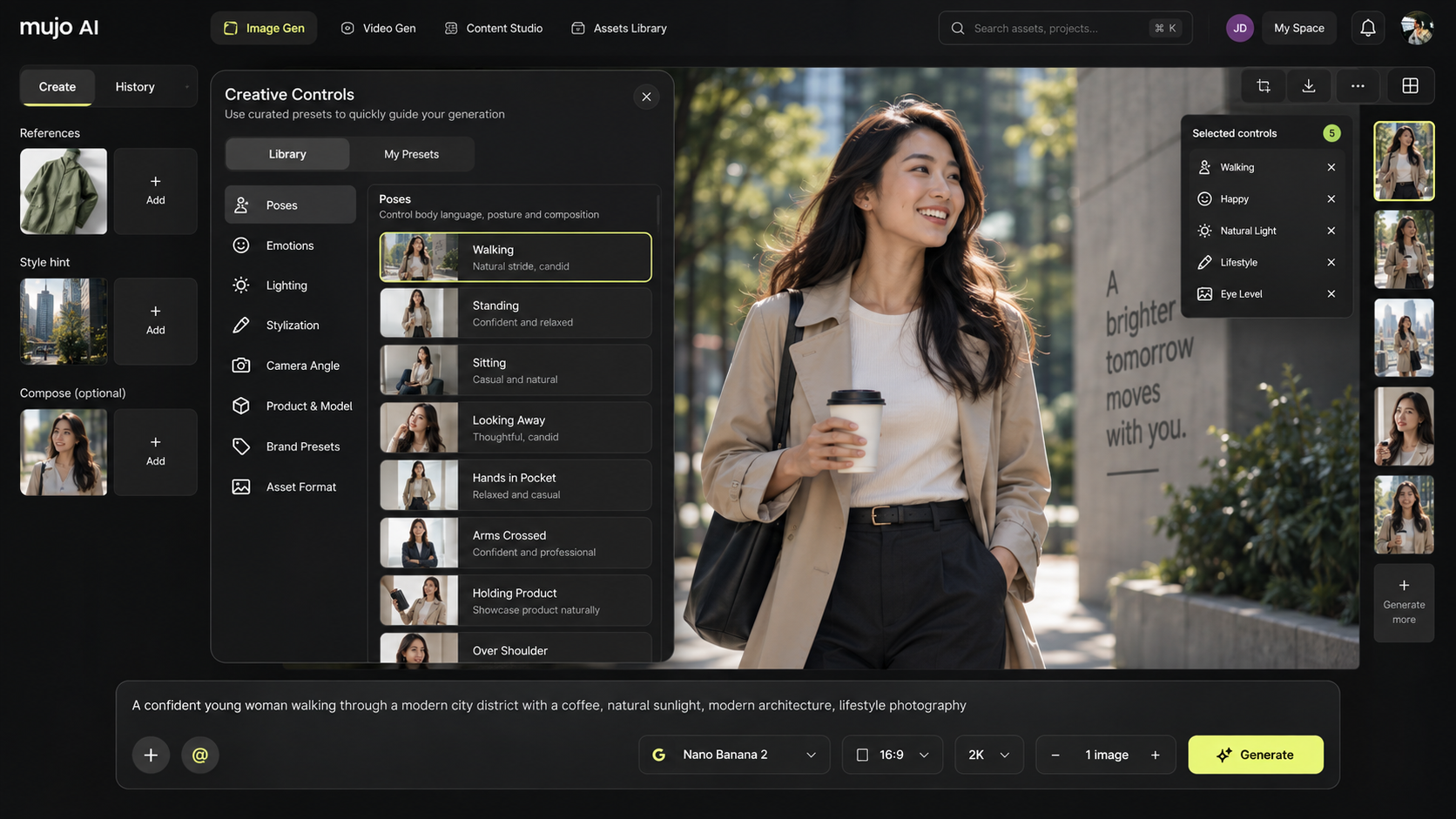
Mujo's unit is the creative direction. The image workspace runs Nano Banana Lite, Nano Banana 2 and Nano Banana Pro, GPT Image 2, Midjourney, Seedream 5.0 Lite and Seedream 5.0 Pro, Grok Imagine and Kling 3.0 Image, the video workspace runs Veo 3.0 and Veo Fast, Kling 3.0, Seedance 2.5 and Seedance 2.0, and Creative Controls, a shared Prompt Library, an Asset Library and a Node Editor exist so one approved look survives across stills, listings, social and motion. An ad format and a creative direction are different objects. You can have excellent UGC ads and still rebuild your campaign look from scratch every quarter, and most teams that buy both discover exactly that.
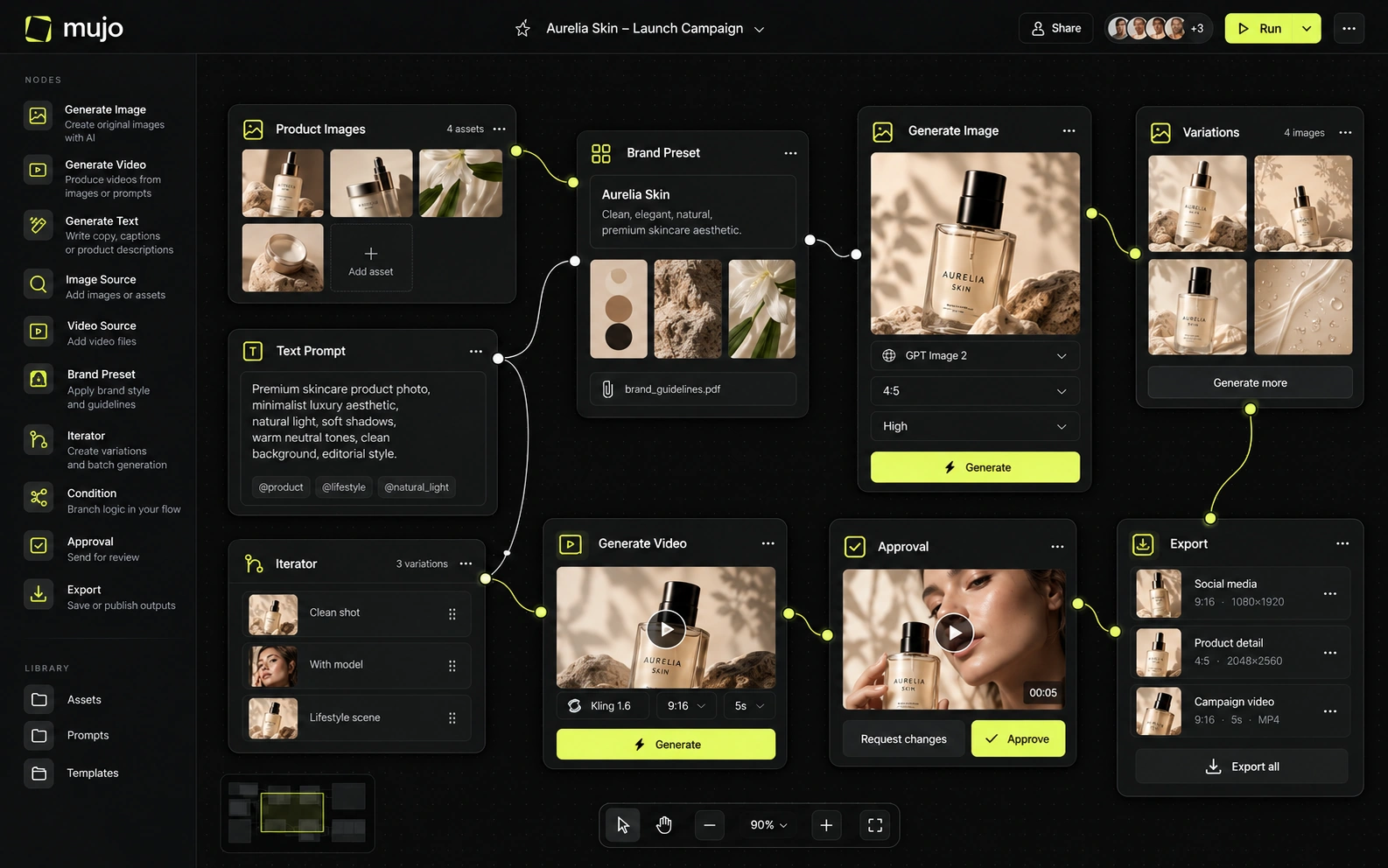
Creatify abstracts models away entirely, as an ad tool should — nobody choosing between hooks wants to choose between video engines.
Mujo exposes five video engines and nine image engines against one brief precisely because for campaign imagery the engine visibly changes the result, and the choice belongs to whoever owns the look. Two questions worth separating: whether you need the ad format or the creative inside it, and whether what you make travels beyond the ad.
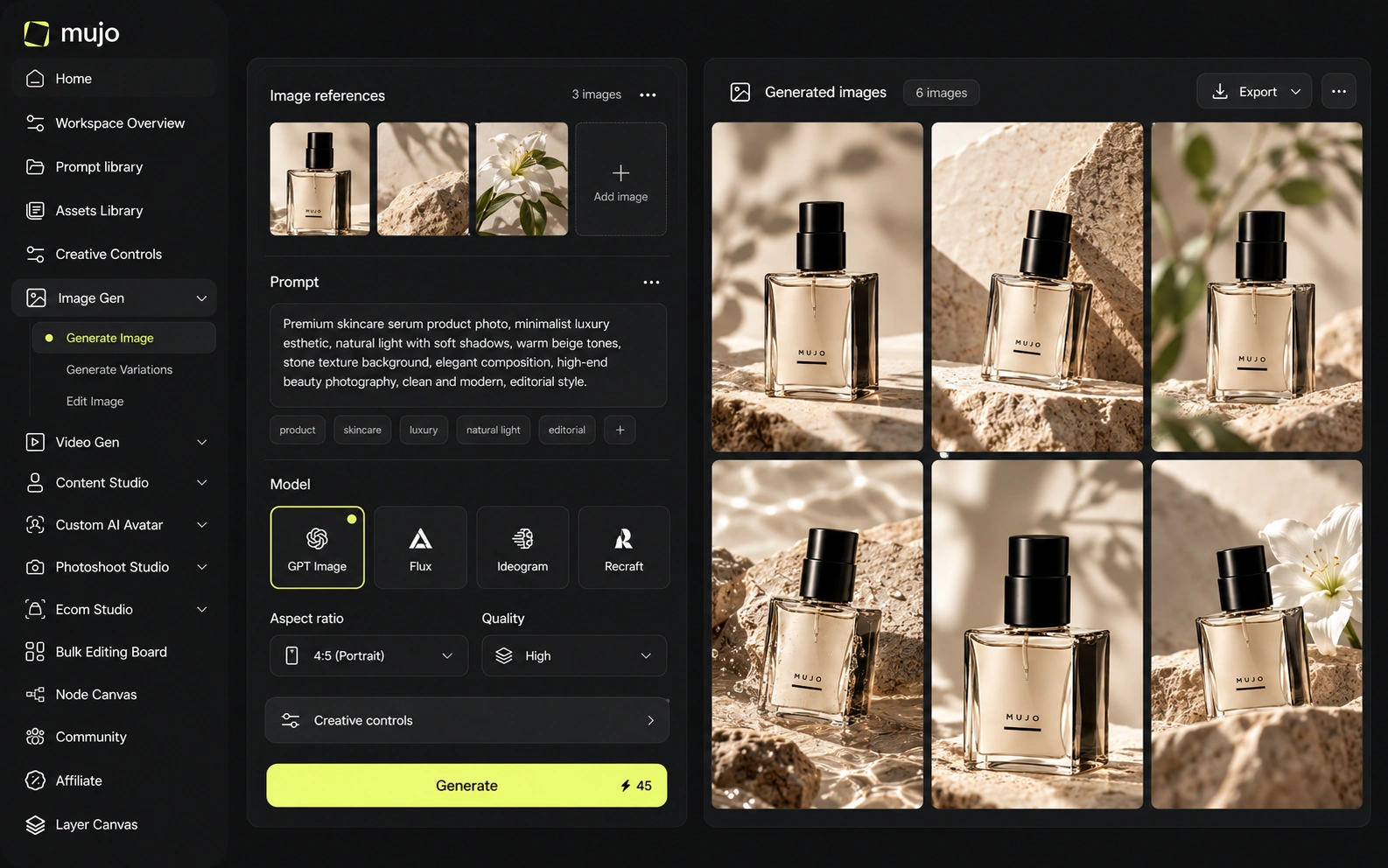
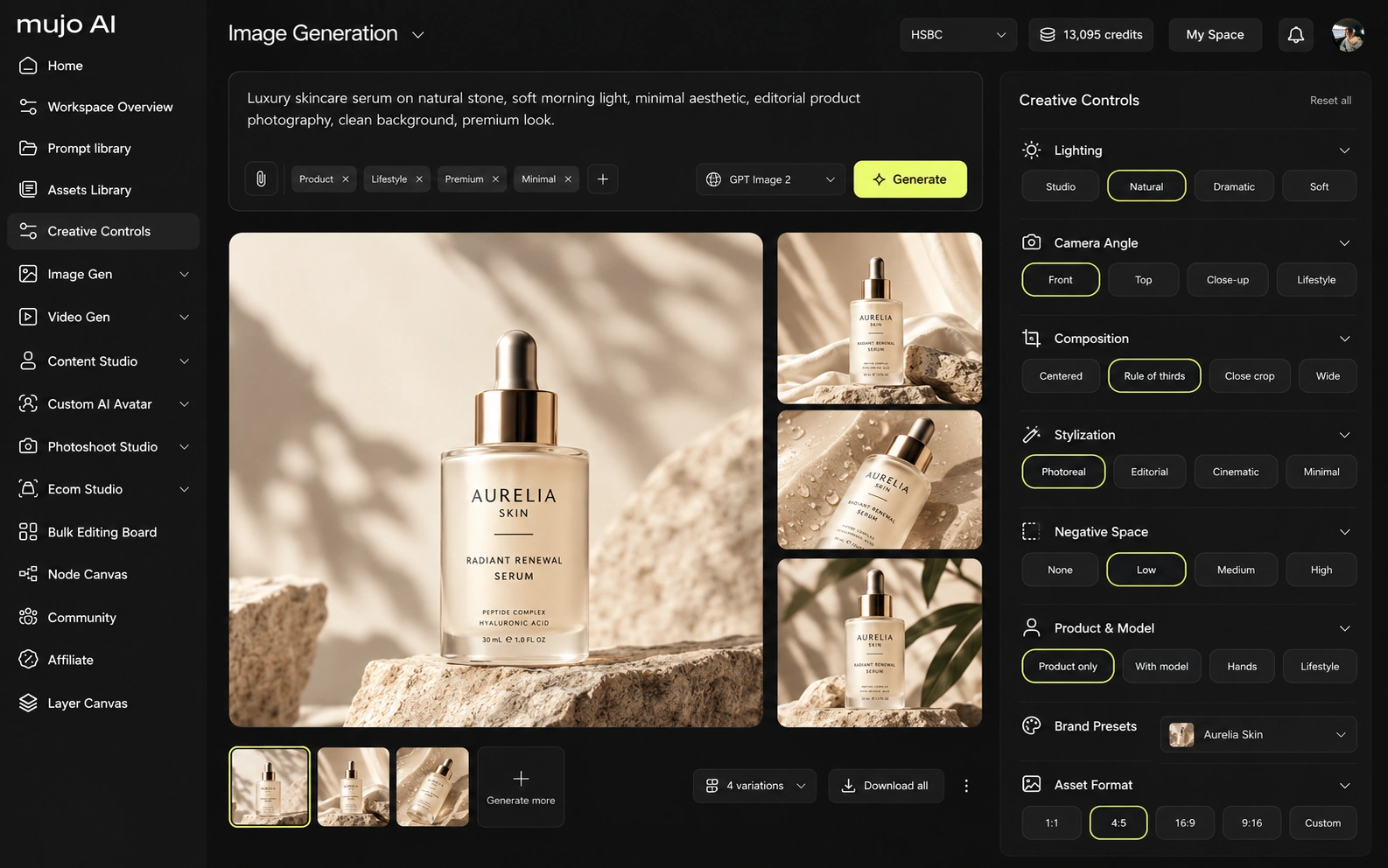
Control in Creatify is ad-shaped: pick the avatar, the script, the template, the aspect ratio. That is the right amount of control for the job and part of why it is fast.
Mujo's control is art direction: lighting, pose, expression, camera angle, location and style as named parameters that apply to a product shot as readily as to a video frame. One gives you many versions of the same ad. The other gives you many kinds of asset that look like they came from the same campaign.
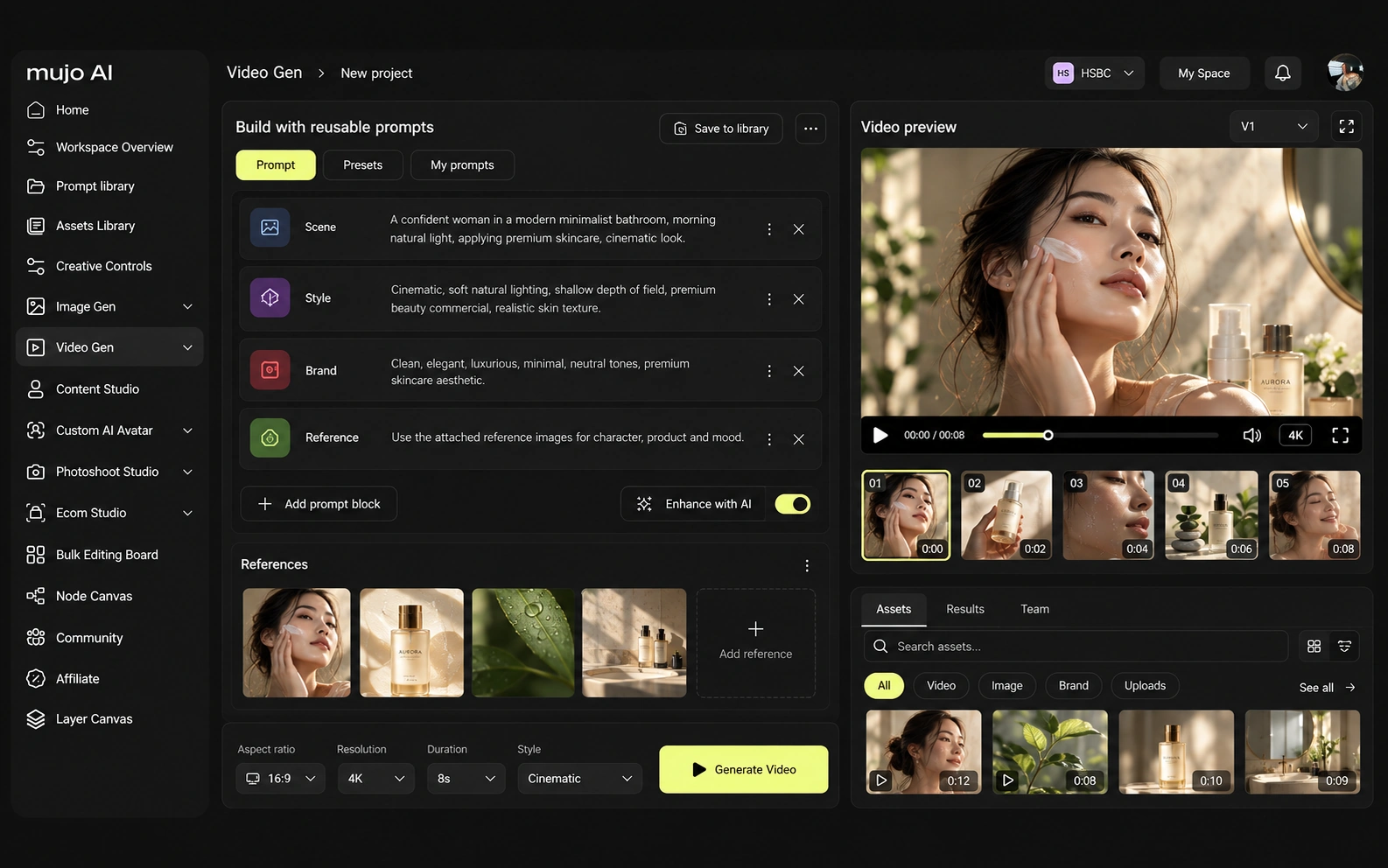
Creatify's video is its product: avatar-led ads from 200+ templates, longer runtimes and custom avatars on higher tiers, with competitor ad tracking on Pro.
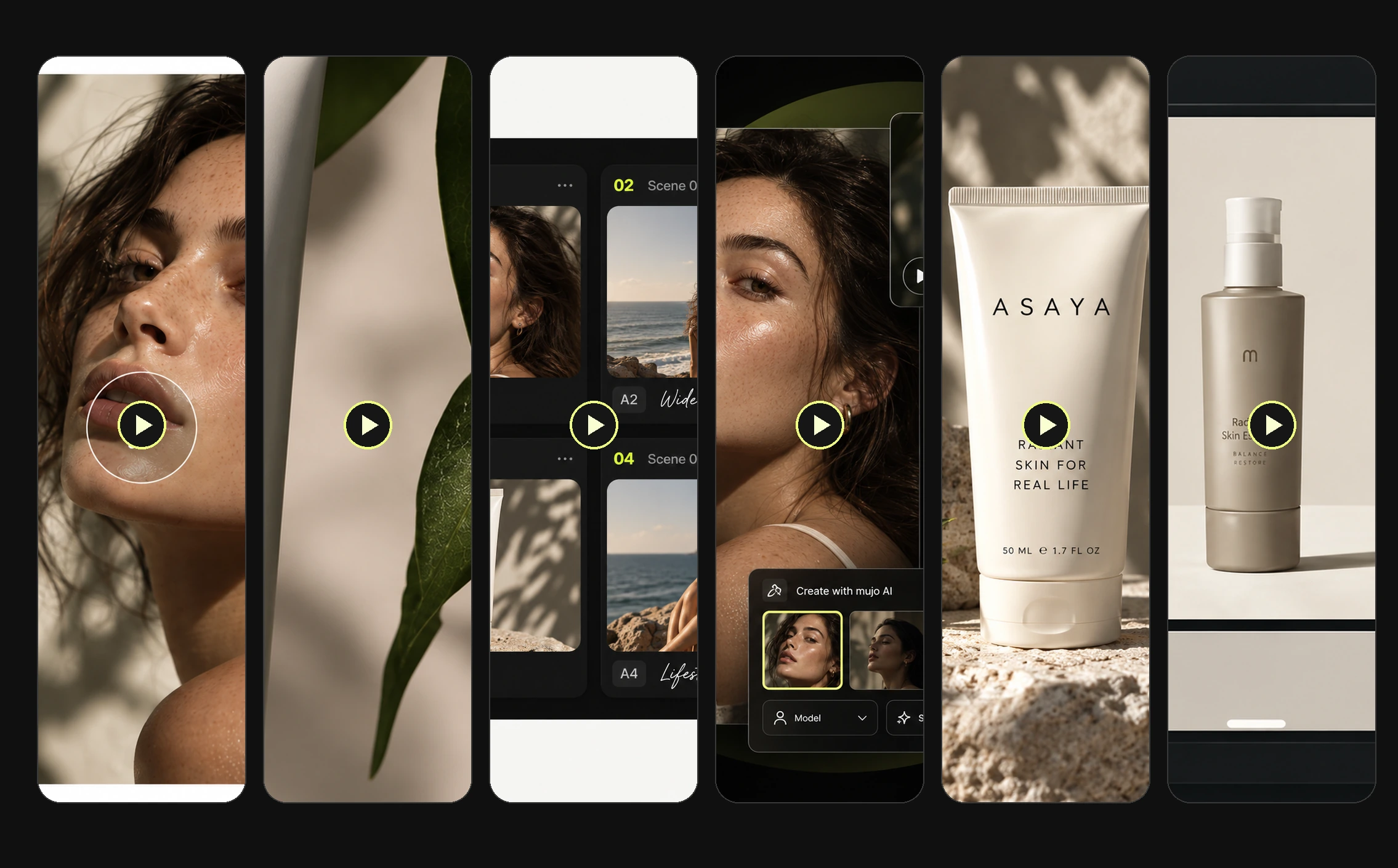
Mujo's video generates from text or from an approved frame across five engines, with Storyboards connecting the still and motion halves of a campaign — a different job from producing spokesperson ads.
Consistency means four things: the same person, product, look, or process. A saved avatar is a strong answer to the first, inside the ad.
Mujo's saved AI characters do something similar and then carry the same person into stills, listings and campaign imagery, alongside references, Creative Controls parameters and shared flows. The limit shows up outside the ad. An avatar consistent across fifteen hooks says nothing about whether the product photograph on the listing looks like the same brand. If everything you produce is an ad, avatar consistency is enough. If ads are one channel of several, the look needs to be held somewhere upstream.
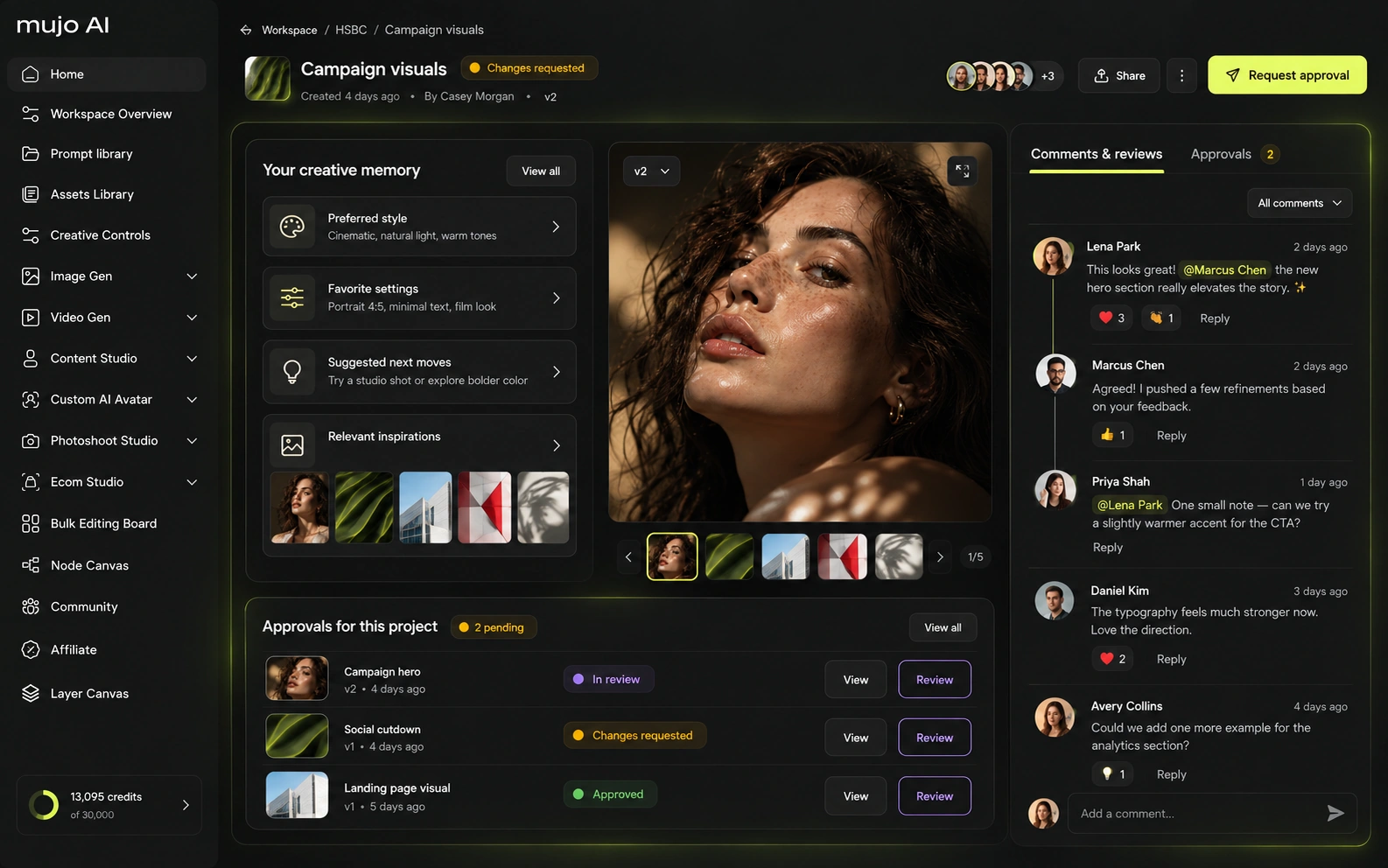
How each platform fits commercial output that repeats
Avatar-led UGC video ads at volume, with templates, hook variations and competitor tracking on higher tiers — built for performance testing.
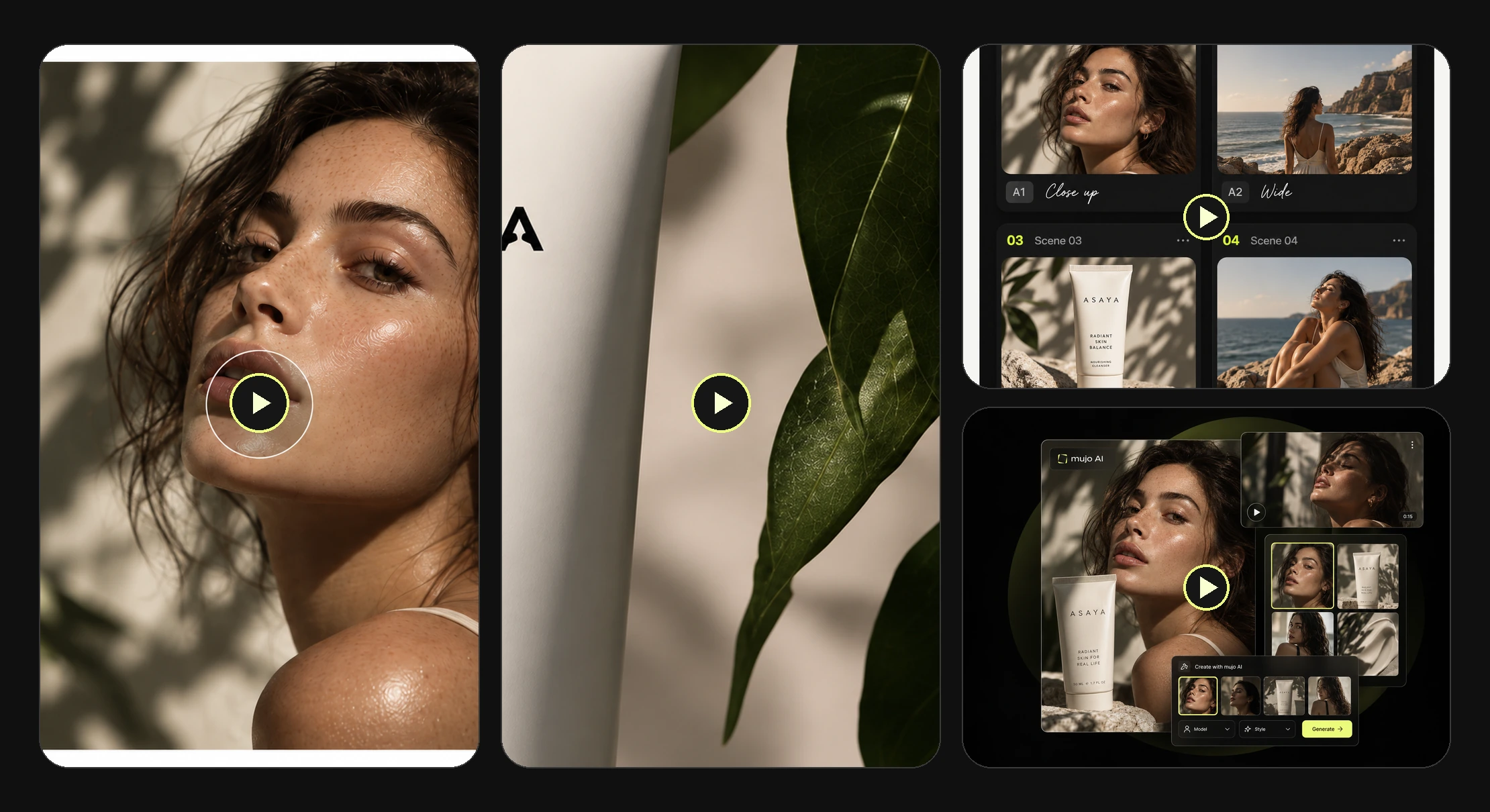
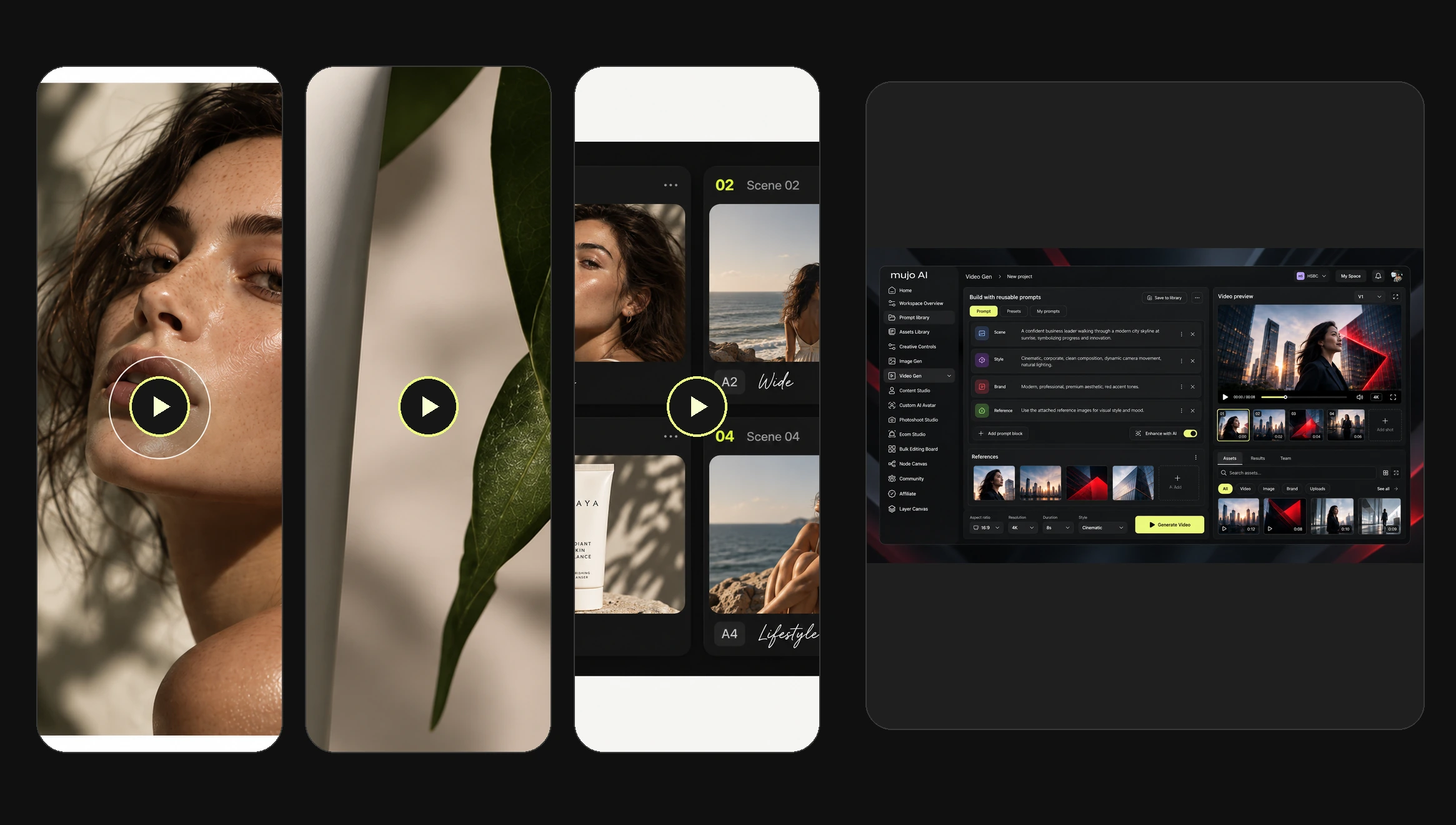
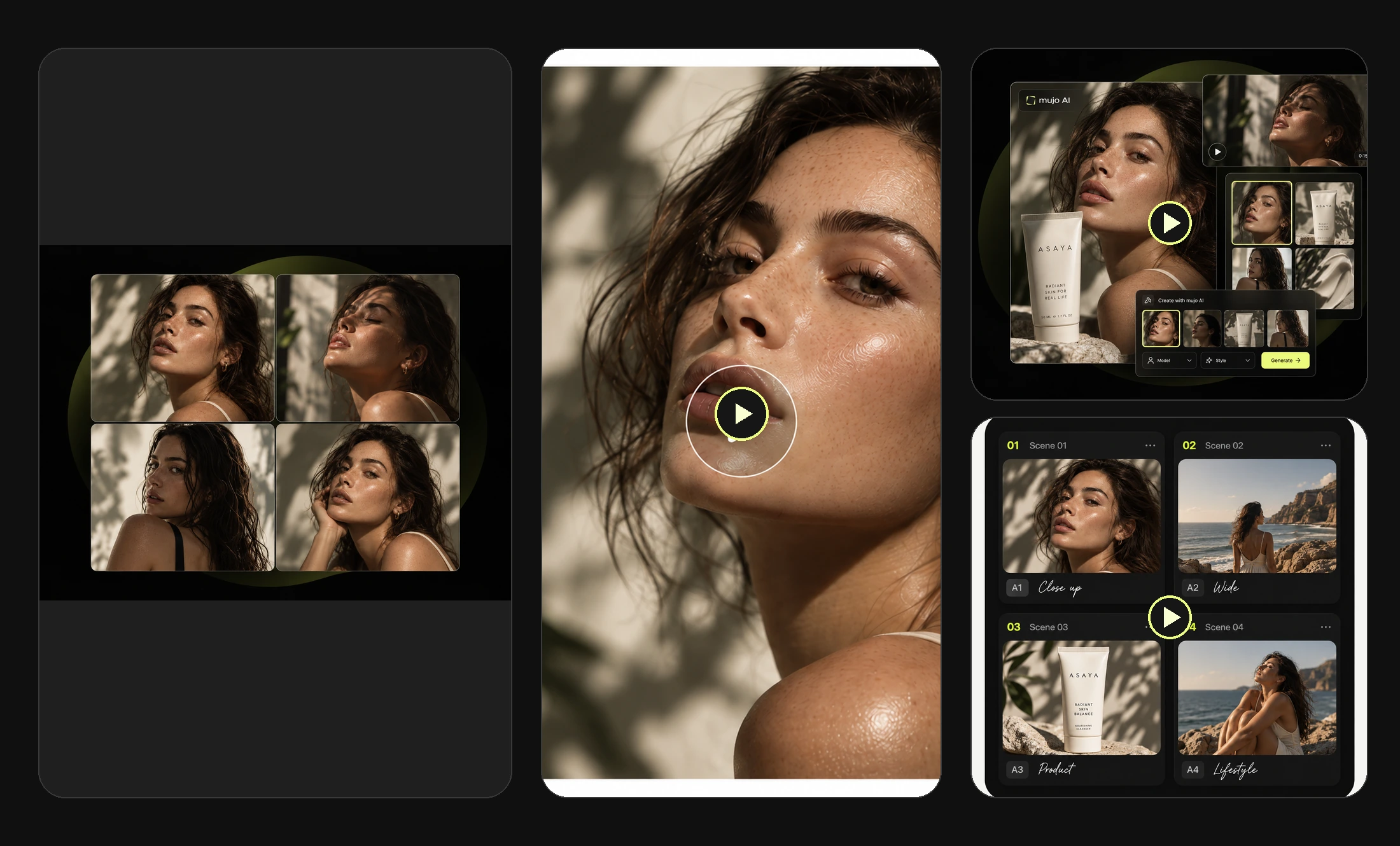
Product Photos, Listing Images, Product Catalog Production, AI Photoshoots, Campaign Creatives, Creative Variations, Social Media Content and Social Video Ads.
One produces the ad unit. The other produces the product imagery and creative direction the ad is built on top of.
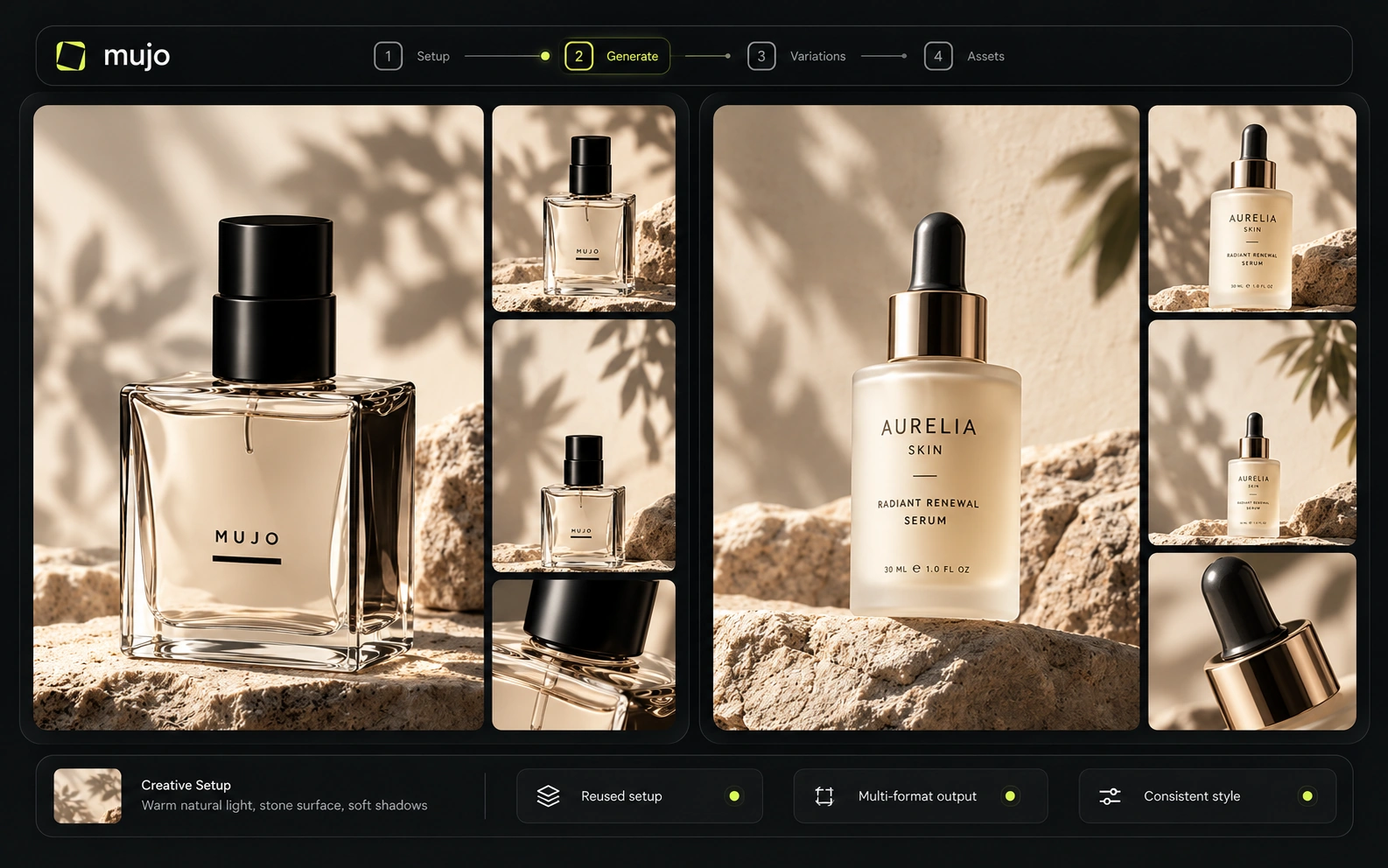
The product shot, its listing crops, its ad variants and its social cuts come out of the same approved direction. Volume is what makes commercial work expensive, not generation speed — and it is the part a Creatify comparison usually leaves out.
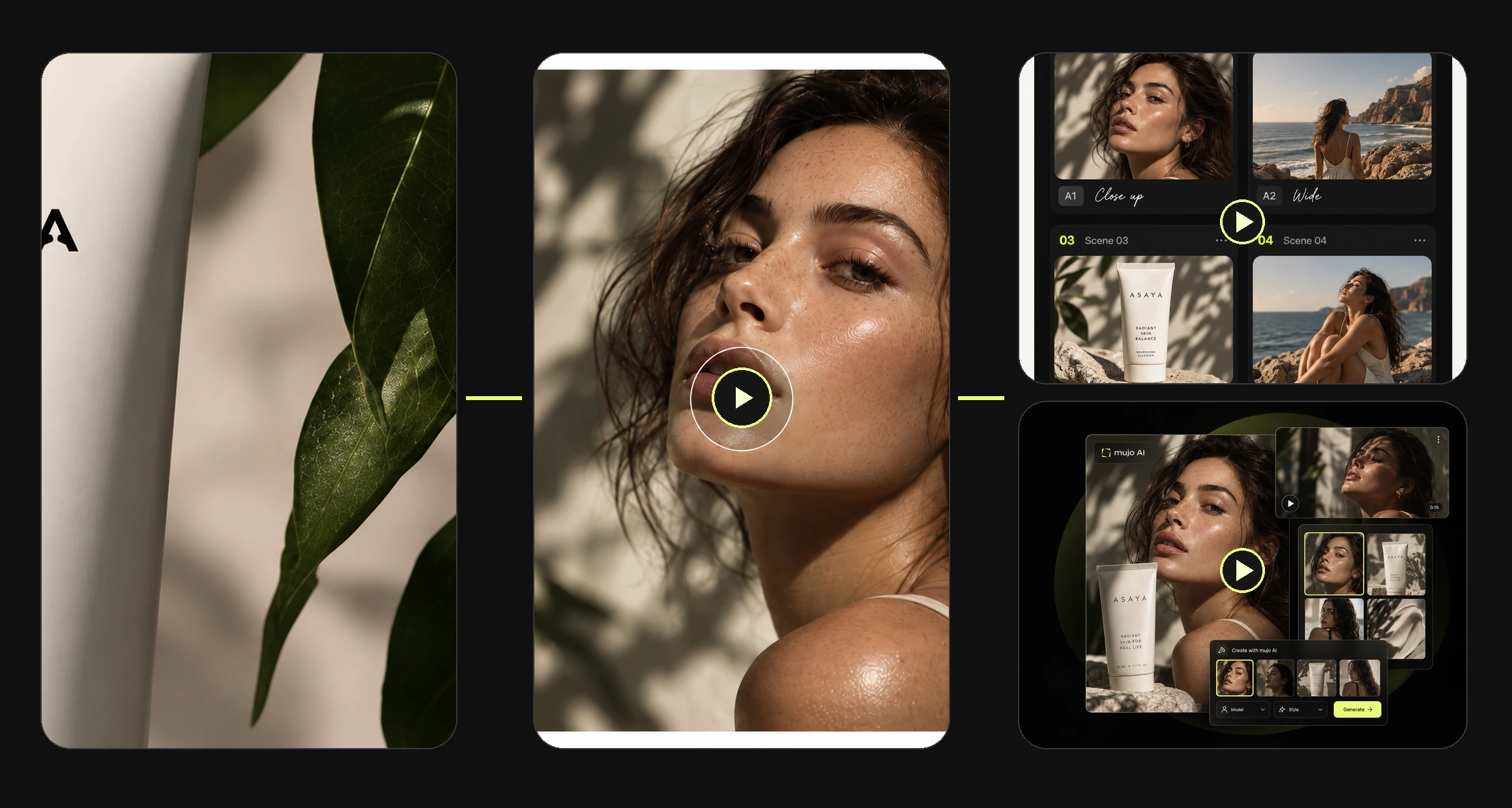
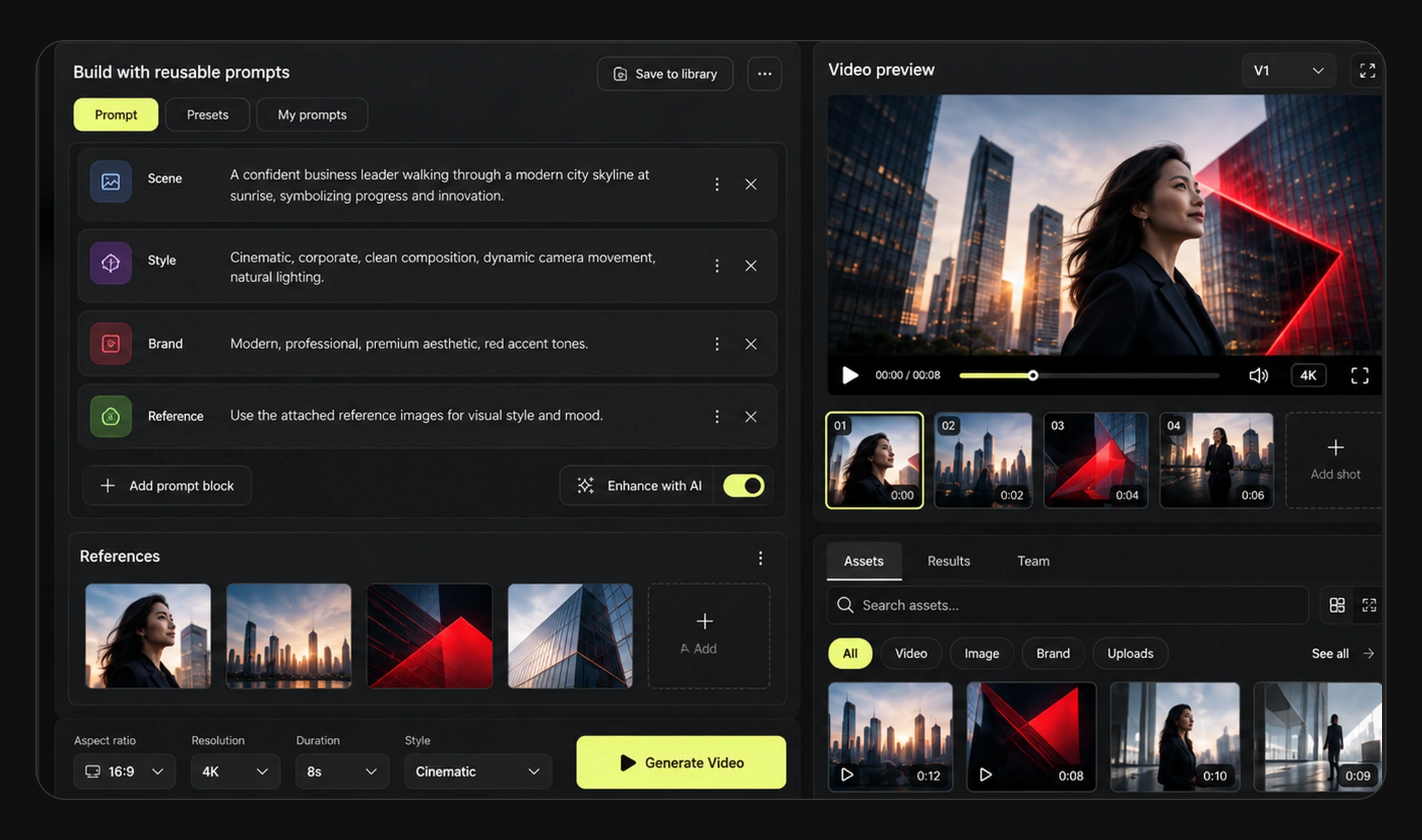
Mujo keeps prompts as production assets: refined with structured controls, compared across models and saved into a library of 2,500+ prompts plus your team's own setups. An ad generator has no need for that layer, because the input is a script and a template rather than a description of a scene.
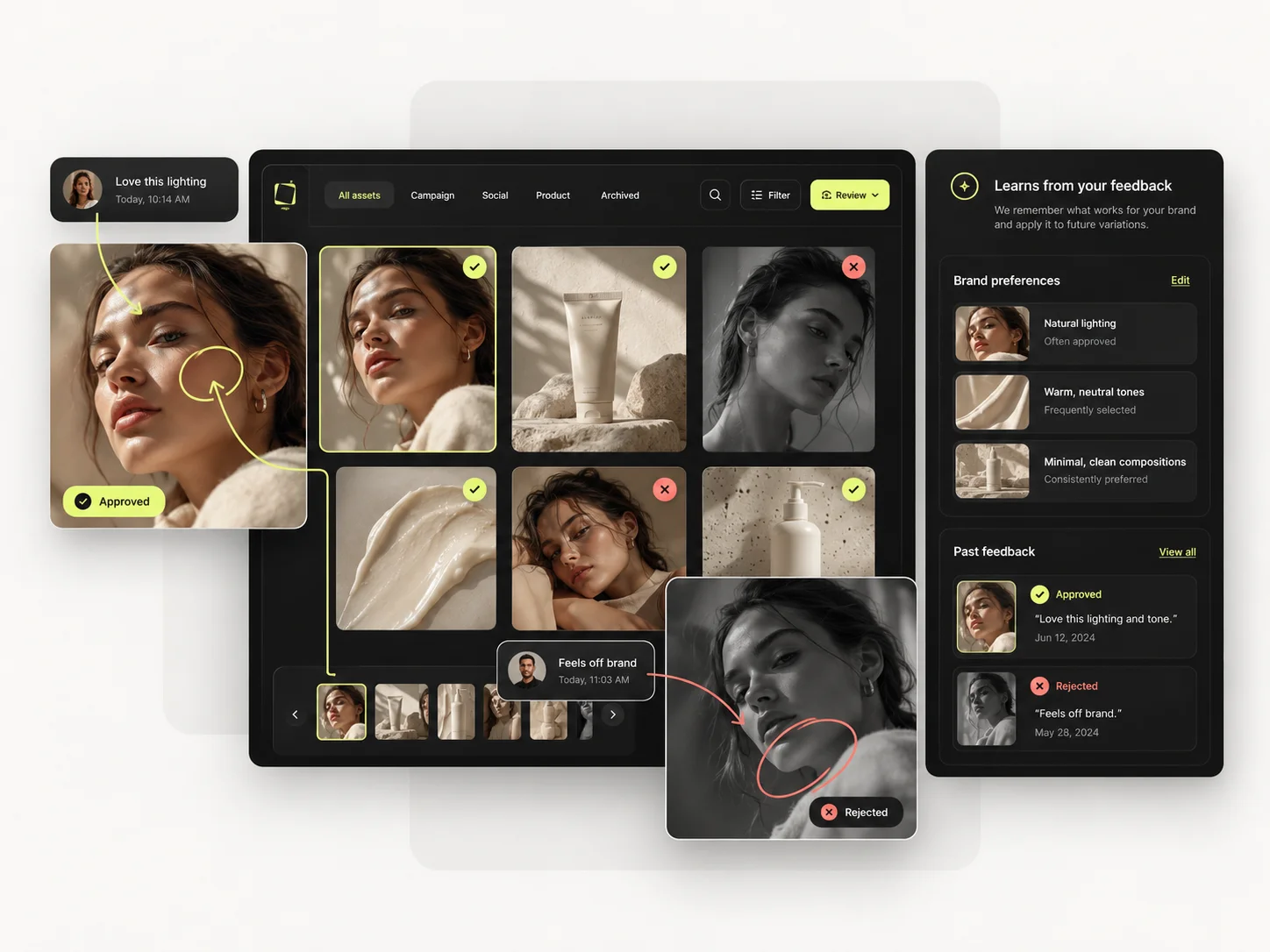
Saved setups live in the Prompt Library where the next person can find them, instead of in the generation history of whoever happened to get it right. Whatever a Creatify session leaves behind, it is usually the output rather than the reasoning behind it.
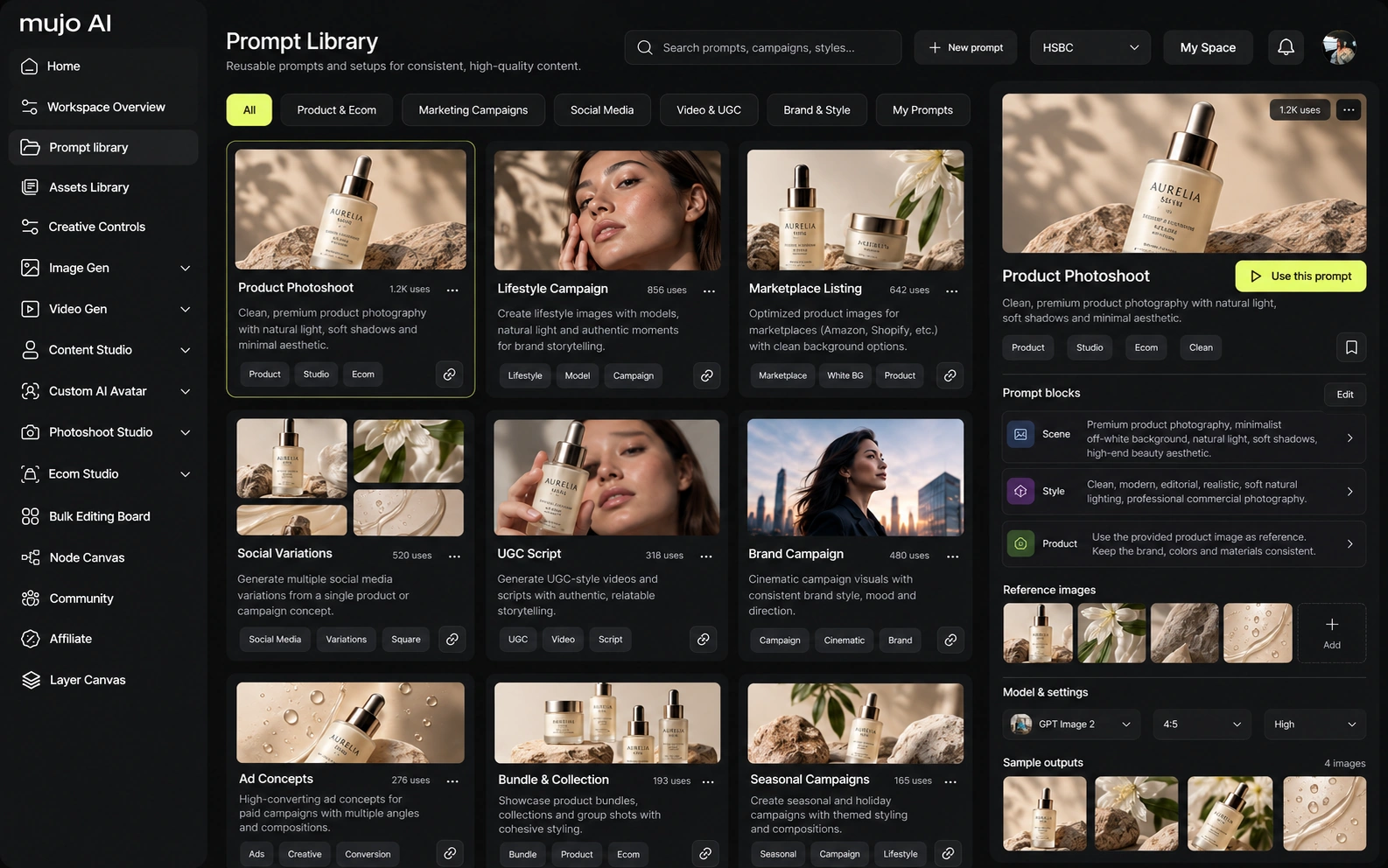
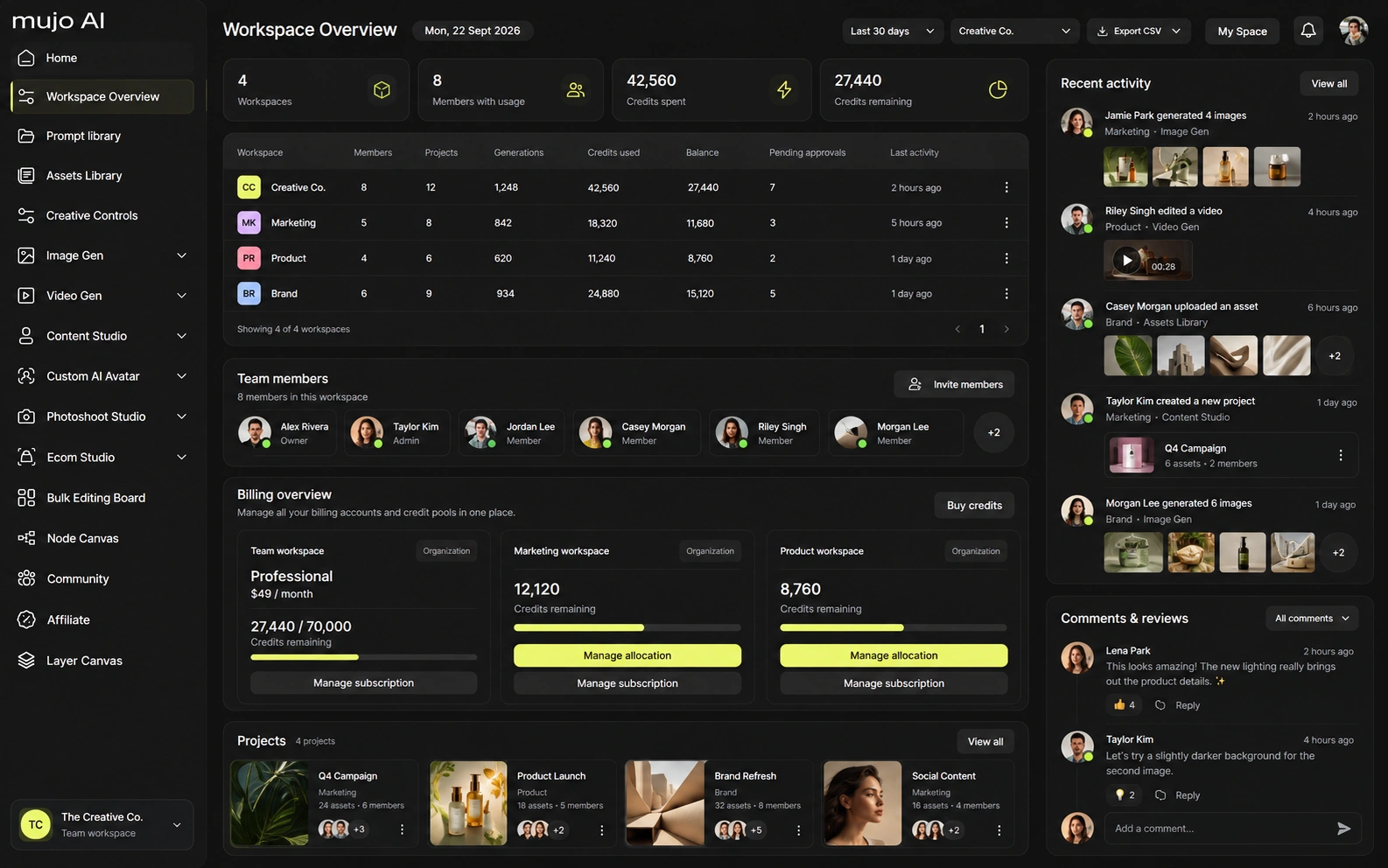
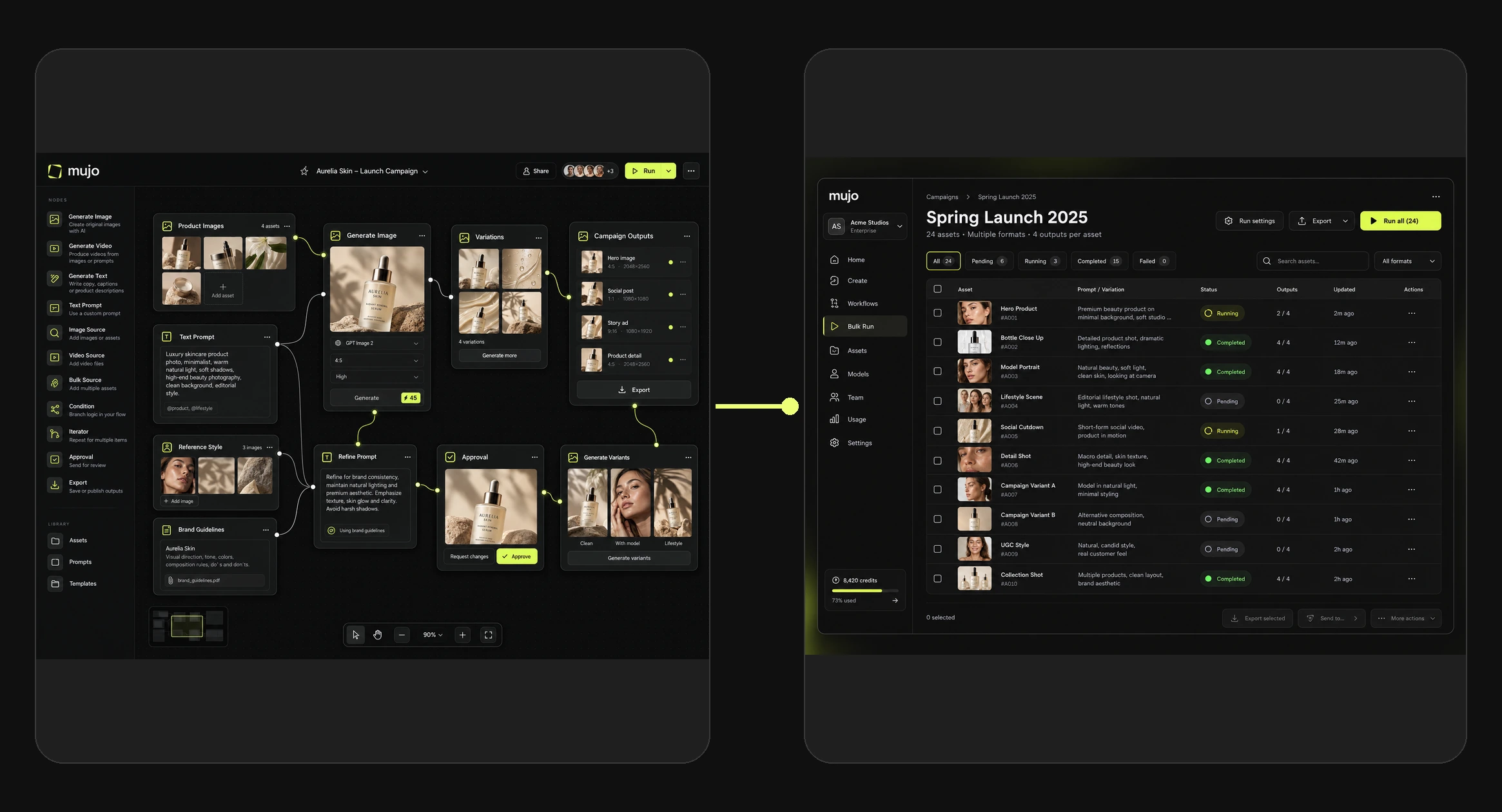
The Bulk Editing Board runs upstream of any ad generator. Rows are assets, columns are the variables, and one approved direction runs down a product list — producing the imagery an ad tool takes as an input, not the finished spot.
Fifteen hooks from one template is a solved problem. Forty products that all look like the same brand, so the templates have something worth filling, is the part still costing teams weeks.
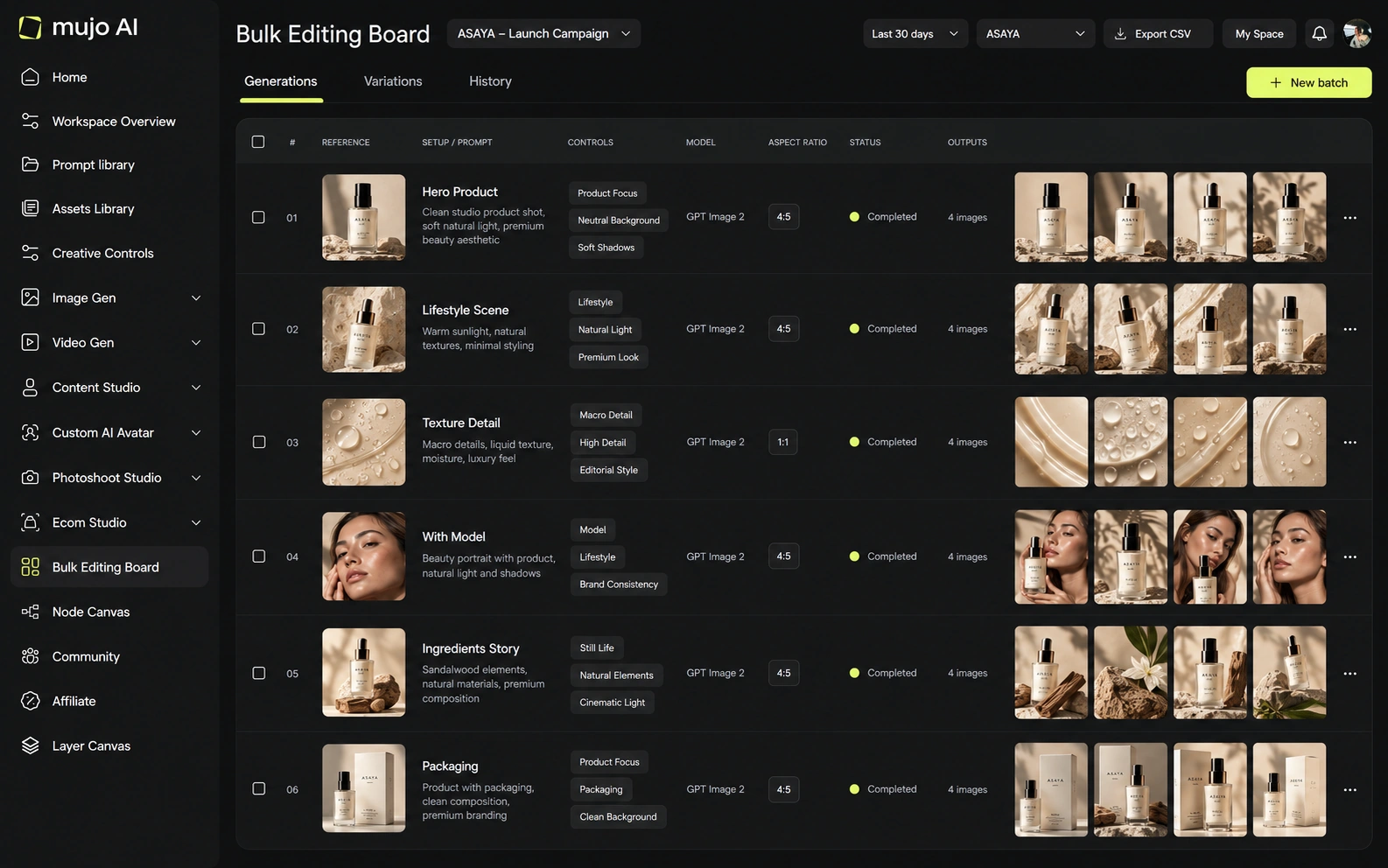
Run the same brief through both: one product image in, a hero visual, three square social variants and one vertical motion ad out, then the same direction on a second SKU a week later. Creatify will win the vertical ad outright. Look at the other five assets.
Use one source product image and one launch brief.
Produce the hero visual, three square social cuts and one vertical motion ad.
Prompts, references, controls and the model that produced it.
Rerun the whole set, not only the ad, on a second product.
Creatify clears the first round comfortably, as does almost anything else worth evaluating. The second round is where the difference appears, and it is the round nobody gets to during a two-week trial.
Creatify scales by seats and credits: one seat on Starter, up to five on Pro with three custom avatars, and an enterprise tier with API access and white-labelling.
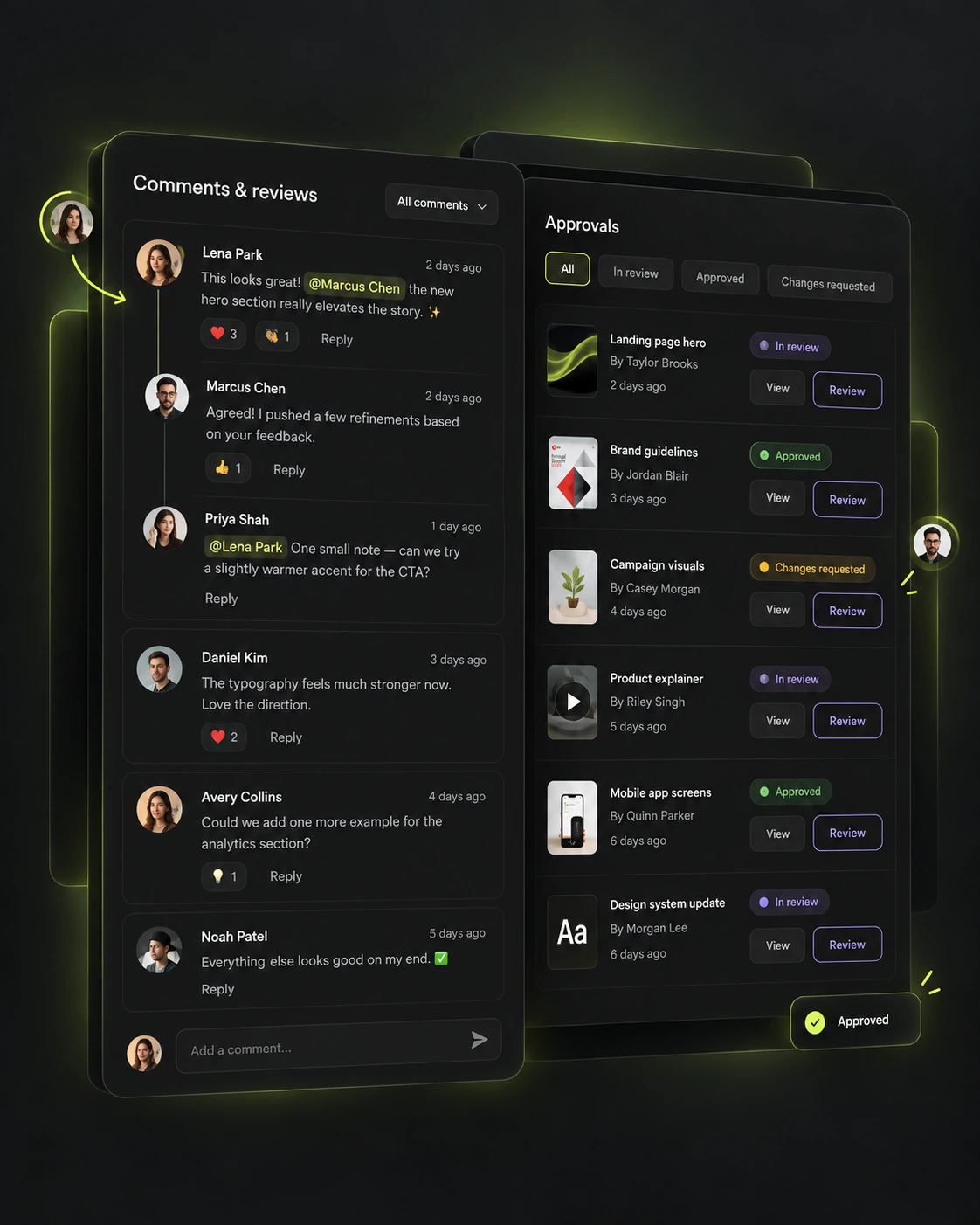
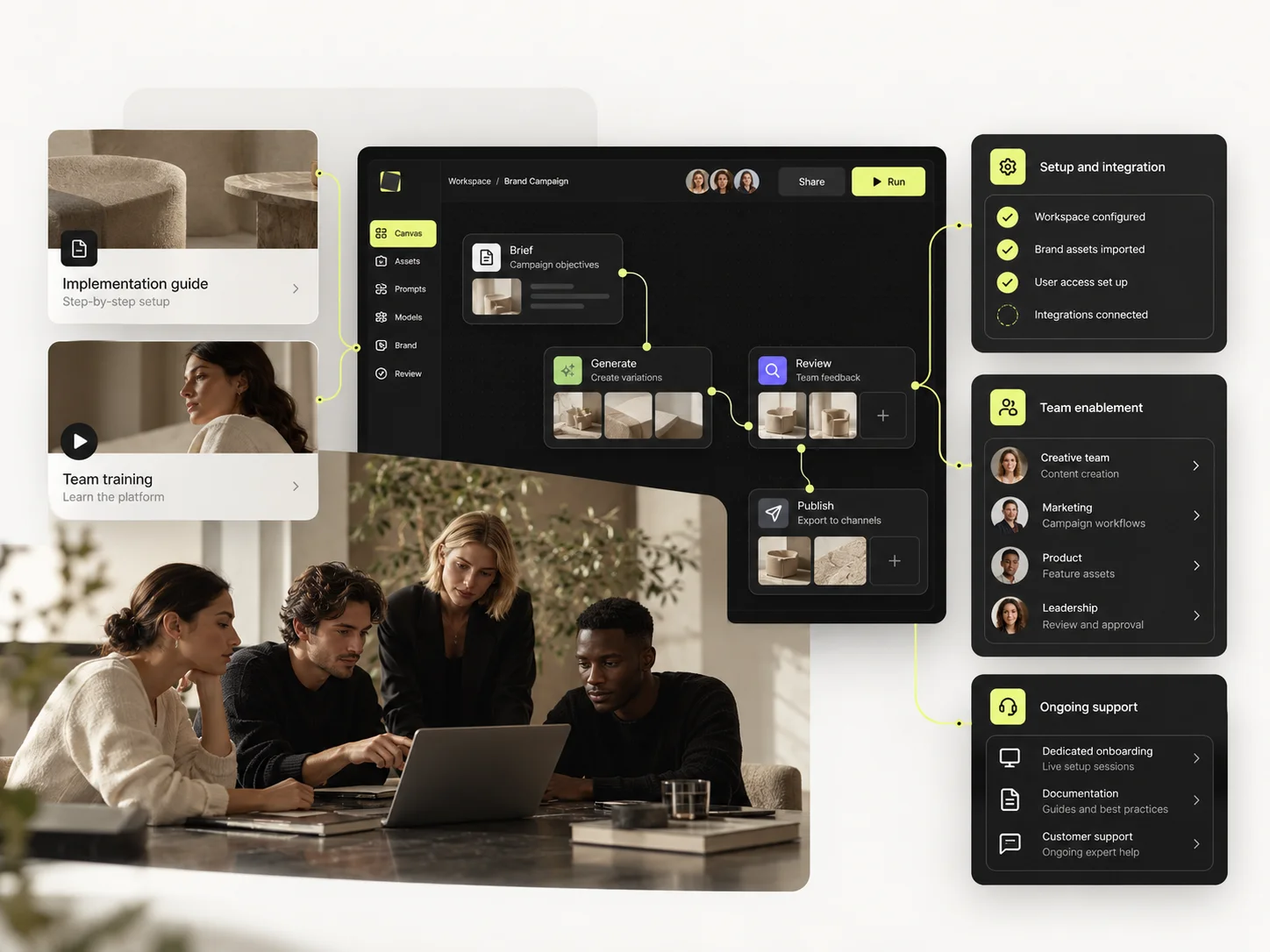
Mujo Enterprise scales by production: connected Node Editor flows, brand context, shared prompt and asset libraries, approval traceability, onboarding, admin and security review. Performance teams and brand teams usually buy different tools here, and that is the correct outcome rather than a problem to solve.
Creatify prices on credits: a free tier with 10 credits and watermarked output, Starter at $39 a month for 100 credits, Pro at $99 for 300 or more with up to five seats and custom avatars, and a negotiated enterprise tier. A video consumes between two and twenty credits, so a high-quality avatar ad is roughly twenty — about five usable videos a month on Starter.
10 credits, watermarked output
100 credits, one seat, 200+ templates, no custom avatars
300+ credits, up to 5 seats, 3 custom avatars, competitor ad tracking
API access, white-labelling, volume terms
Plans Start $9, Basic $19, Pro $34, Creator $84, Business $121 (5 seats); 200-credit packs from $2.60 with no use-by deadline
Mujo's plans run from $9 to $121 a month, with up to 40% off on annual billing. Pay-as-you-go packs start at 200 credits for $2.60, credits carry no use-by deadline, and new accounts start with 20 free. A credit that buys a finished video ad and a credit that buys a generation are different units. Compare on finished assets per month across every channel you actually need, not per video.
Where custom avatars and likenesses are involved, read the terms on rights and reuse carefully — it is the question that matters most on any avatar platform.
Specifically, on Mujo's side: users keep ownership of what they upload and of AI-generated outputs and may use those outputs commercially, subject to applicable law and third-party rights; inputs and outputs are not used to train foundation models without opt-in, and the enterprise terms extend that to the third-party models in the stack. Commercial-use permission is not rights clearance. Trademark, publicity rights and model-provider terms still apply, so client work needs human review before it ships.
What Creatify does better, and what Mujo does better. A comparison page that fills in only one side is not a comparison.
Worth reading before a trial rather than after one.
Decide by which end of the pipeline is slow. Ad volume is a format problem. Campaigns that start from a blank page every quarter are a production problem, and no ad generator touches it.
Choose it when the bottleneck is video ad volume for performance testing and the creative direction is already settled.
Choose Mujo when the direction is the work and video ads are one of several places it shows up.
Build the look and the product imagery in Mujo, produce and test the UGC ad units in a performance tool. They sit on either side of one handoff.
Most shortlists are settled by the wrong question — which tool makes the better first asset. The question that predicts the next year is which tool still helps on the fortieth.
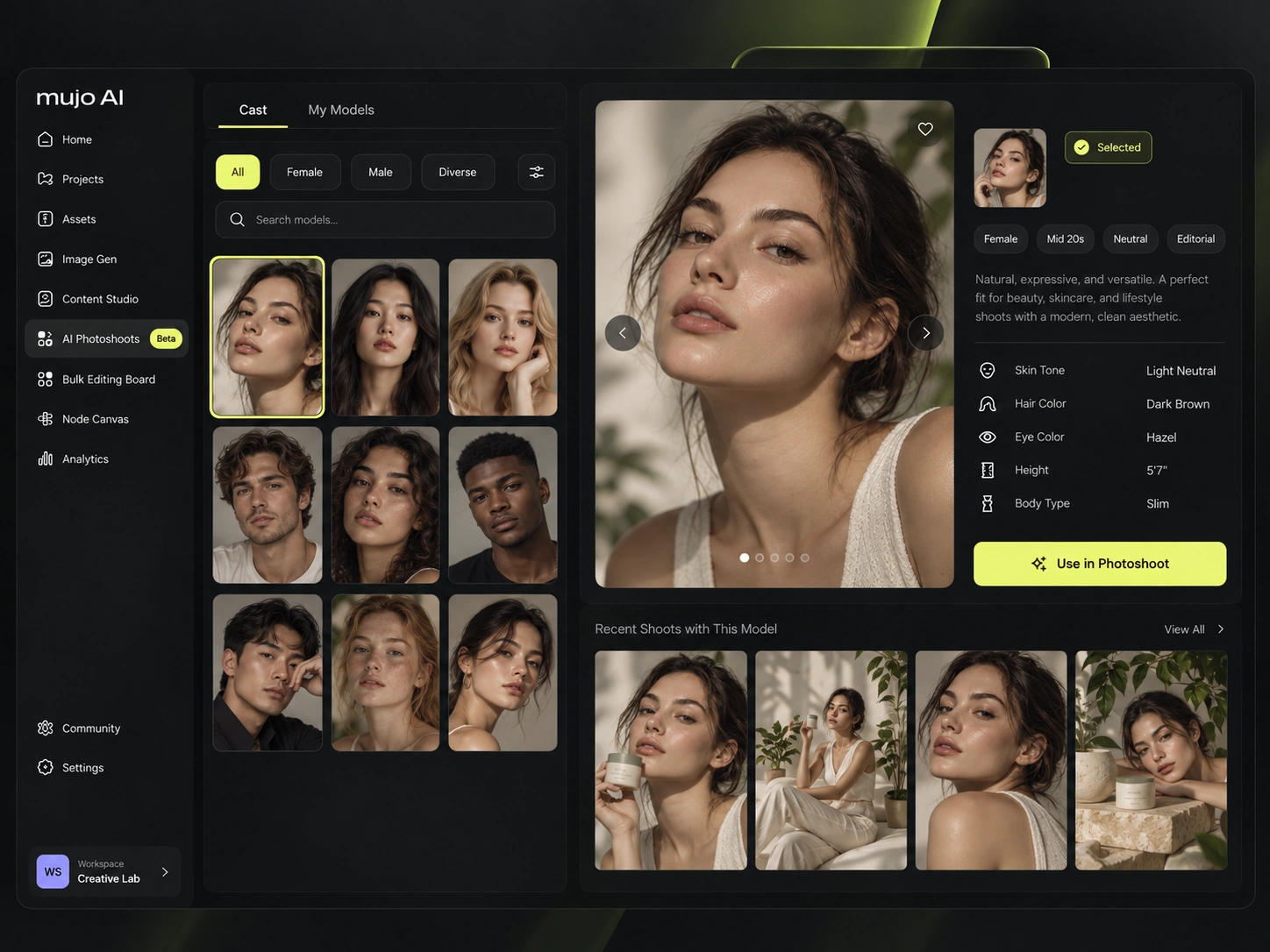
Short answers about Creatify, about Mujo, and about the parts that are easy to get wrong.
Yes, through Social Video Ads and Content Studio — but as creative production rather than as avatar-led spokesperson ads produced from templates at volume.
A video costs between two and twenty credits depending on length, avatar and quality, so a high-quality avatar ad is around twenty. Starter's 100 credits translate to roughly five usable videos a month.
Mujo has saved AI characters that stay consistent across images and video. They are aimed at campaign consistency rather than at producing spokesperson ads.
Creatify, for the ad units themselves and for hook testing. Mujo produces the creative and product imagery those ads are built from.
That is the common setup: the campaign look and the product imagery come from Mujo, the UGC ad units and hook tests from a performance tool.
A comparison against Creatify stays abstract until you look at the work it is about. These are the production workflows Mujo is built around, plus the neighbouring comparisons if you are still shortlisting.
Produce editorial and studio photoshoots without booking one.
One idea rendered as a month of posts, stories and formats.
Plan the shots before generating the video.
Scored ad units against the creative direction behind them.
An all-purpose design suite against a production system.
Cinematic motion against campaign repeatability.
If the ads are handled and the product imagery behind them is the bottleneck, that is the half Mujo covers. 20 free credits. Produce the imagery one campaign needs and see how far it travels.