Keyword optimization for product listings is not the same as SEO for blog posts. In a blog, you can explain your way into relevance. On marketplaces and product pages, relevance is earned by clarity, structure, and the exact language buyers use when they are ready to purchase.
If your keywords are too broad, you attract the wrong clicks and conversion drops. If they are too narrow, you never get discovered. If you stuff the same phrase everywhere, the listing feels spammy and you still do not expand coverage. The goal is simple: match buyer search terms with the right page blocks, so both search engines and humans instantly understand what you sell.
This guide shows a practical system for keyword optimization specifically for product pages and marketplaces, including Amazon: how to collect search terms, analyze and group them, choose high-intent long-tail keywords, and place them into titles, bullets, descriptions, backend fields, and even images in a way that improves ranking and conversion. At the end, you will find a mini checklist you can reuse for every SKU.
Why Keyword Optimization Fails on Product Listings
Most listings do not fail because the seller forgot to add keywords. They fail because the listing is built around seller language, not buyer language.
Common failure patterns:
- keywords describe the product internally, not how shoppers search
- the title tries to rank for everything and becomes unreadable
- bullets repeat the same words instead of expanding coverage
- long-tail keywords are ignored even though they often convert better
- images communicate one thing while the copy communicates another
- variants are inconsistent, so the listing looks untrustworthy
Keyword optimization is not stuffing. It is alignment: search term, page block, and proof in visuals.
The Product Listing Keyword Framework
You will get better results if you split your keywords into four buckets. This makes decisions faster and keeps your copy clean.
Bucket 1: Primary product term
The core “what it is” phrase. This drives relevance and usually belongs early in the title.
Bucket 2: Attribute terms
Material, size language, pack count, compatibility, features, and specifications shoppers care about.
Bucket 3: Use-case terms
Phrases like “for travel,” “for sensitive skin,” “for small apartments,” “for gym,” or “for beginners.” These often drive conversion.
Bucket 4: Outcome terms
Phrases like “reduce frizz,” “keep cold longer,” “no leaks,” or “non-slip grip.” These support benefit-focused bullets and images.
When you build a listing using these buckets, you stop guessing where each keyword belongs.
Step 1. Collect Search Terms That Real Buyers Use
Start with collection. Do not overthink at this stage. The goal is to build a raw list of phrases from multiple angles so you do not miss demand.
A practical collection stack
Marketplace autocomplete
Type your primary term and collect the suggestions. These are direct signals of how people search.
Category browsing language
Look at category filters, subcategories, and common attribute labels. That is the vocabulary buyers expect.
Top competitor listing patterns
Scan top listings for repeated phrases. Do not copy titles. Extract patterns: attributes, use cases, and compatibility language.
Reviews and Q&A language
This is where you find conversion keywords. People say what they worry about and what they love in plain language. Those phrases often become high-performing long-tail keywords.
Your own PPC search terms
If you run ads, your converting search terms are often the most valuable keyword source you have. They reveal what actually brings buyers, not just clicks.
Step 2. Clean the List: Remove Traffic Traps
Not all search terms are worth targeting. Some terms look big but attract the wrong shopper.
Remove keywords that:
- describe a different product type
- signal a different price tier than yours
- imply a feature you do not have
- use competitor brand names you do not own
- are vague research phrases with weak buying intent
A simple test helps here: if you ranked number one for this keyword, would the shopper be happy when they land on your listing? If the honest answer is “not really,” drop it.
Step 3. Group Keywords by Intent, Not by Spelling
Keyword optimization becomes much easier when you cluster by intent. Two phrases can look different but represent the same need. You do not need to repeat both everywhere. You need coverage across intents.
Core intent clusters for product listings:
- product type intent, meaning what it is
- feature intent, meaning what it has
- use-case intent, meaning who it is for or when it is used
- problem intent, meaning what it fixes
- comparison intent, such as best, versus, alternative, or upgrade
- variant intent, such as color, style, or pack count
This is the step where long-tail keywords shine. A long-tail phrase often contains multiple intents at once, which is why it converts.
Step 4. Choose Your Win Keywords
Now decide what you will actually target.
A practical priority system:
- 1 primary keyword as the product identity
- 3–6 secondary keywords covering top attributes and features
- 10–30 long-tail keywords covering use cases, outcomes, and constraints
- synonyms and alternate phrasing as the coverage layer
How to choose the winners:
- Fit: does the keyword describe your product exactly?
- Intent: does it signal a buyer, not a browser?
- Differentiation: does it highlight your advantage?
- Coverage: does it add new meaning rather than repeating the same idea?
If a keyword fails fit, it is not a keyword. It is a distraction.
Where to Place Keywords in Product Listings
This is where optimization turns into ranking and conversion. Each block has a job. Put the right keyword type into the right block.
| Listing block | Best keyword types | Goal | What to avoid |
|---|---|---|---|
| Title | Primary + 1–2 top attributes | Relevance + click clarity | Stuffing synonyms, unreadable titles |
| Bullets | Features + use-cases + outcomes | Conversion + coverage | Repeating the title in different words |
| Description | Use-case narrative + reassurance + long-tail | Trust + deeper intent | Long, vague marketing paragraphs |
| Backend fields | Synonyms + alternate phrasing | Extra indexing coverage | Duplicates of visible copy |
| A+ / modules | Use-cases + comparisons + proof language | Conversion lift + clarity | Tiny text and keyword blocks |
| Images | Visual proof for top intents | Reduce doubt | Images that do not match keywords |
Title Optimization: Rank Without Sounding Like a Robot
Your title is not a keyword dump. It is a promise. If it is unreadable, CTR drops. If CTR drops, ranking becomes harder.
A clean title structure that works across many categories:
Primary product term + key differentiator + key attribute + variant cue
Examples of differentiators:
- material, such as stainless steel, leather, or bamboo
- compatibility, such as for iPhone, for AirTag, or for a specific model
- function, such as leakproof, noise cancelling, or non-slip
- pack or bundle, such as set of 2, bundle, or refill pack
Before: “Water Bottle Stainless Steel Water Bottle Leakproof Bottle Insulated Bottle Sports Bottle”
After: “Stainless Steel Water Bottle, Leakproof Insulated Bottle for Travel and Gym, Blue”
Why the improved version works:
- the primary term is present
- the key differentiator is present
- the use case appears naturally
- it reads like a real product, not a keyword list
Bullet Optimization: Expand Coverage Without Repetition
Bullets are where you win conversion and keyword coverage at the same time.
A bullet should do three things:
- state a benefit or feature
- support it with proof or specificity
- naturally include one keyword cluster, not all of them
A strong bullet pattern looks like this:
Benefit headline → proof detail → use-case phrase
Example bullet for feature intent:
“Leakproof lid design, built to prevent drips in bags and cup holders during commutes and flights.”
Example bullet for use-case intent:
“Made for daily routines: gym, office, travel, and school, with a grip that stays comfortable in one hand.”
What to avoid:
- repeating the product name in every bullet
- stacking three synonyms in one sentence
- stuffing long lists of use cases that do not feel real
- vague hype words with no proof
Description Optimization: Convert the Skeptical Buyer
Descriptions are underrated on marketplaces because shoppers often do not read them first. But search systems still evaluate overall relevance, and humans do read when they are unsure.
Use descriptions to:
- explain who the product is for
- handle objections you saw in reviews
- add long-tail language naturally
- clarify what is included, how to use, and what to expect
A simple description structure:
- One-sentence summary with the primary keyword
- Use-case paragraph describing who it is for
- Proof paragraph covering materials, build, and quality cues
- Clarity paragraph for included items, care, or compatibility
- Reassurance paragraph with support, warranty tone, or returns framing
Keep it clean. Do not repeat bullets word for word.
Backend Search Terms and Hidden Fields
Many marketplaces provide backend fields for extra search terms. Treat them like a coverage layer.
Use backend terms for:
- synonyms you did not use in visible copy
- alternate phrasing and word order
- common attribute variations buyers use
- translation variants if you sell cross-border and the platform supports it
Avoid:
- repeating the same phrases already in the title and bullets
- irrelevant high-volume words
- competitor trademarks or misleading claims
Think of backend terms as the place for coverage, not sales copy.
Keyword Optimization for Images
Images do not rank on Amazon the same way a web page does, but images absolutely affect keyword performance indirectly through click-through rate and conversion. If your images do not prove what the keywords promise, your listing underperforms.
Your top keyword clusters should be visible in your gallery structure.
Example mapping:
- if “what’s included” keywords show up, you need an included image
- if results or before-and-after language shows up, you need a results image
- if material keywords show up, you need a detail or texture close-up
- if use-case keywords like “for travel” show up, you need an in-use travel scene
This is one of the hidden superpowers of marketplace SEO: your images validate your keywords.
The Long-Tail Strategy That Actually Wins
Long-tail keywords are not small. They are specific. Specific usually means high intent.
Examples:
- leakproof water bottle for travel
- vitamin c serum for sensitive skin
- desk lamp for small bedroom nightstand
- dog joint chews for senior dogs
Why long-tail converts:
- the shopper already knows what they want
- there are fewer mismatched clicks
- it is easier to satisfy intent with one product
- competition is often lower than for broad head terms
How to use long-tail without making copy awkward:
- put long-tail phrases into bullets and A+ modules where they read naturally
- spread them across multiple bullets, not one overloaded bullet
- choose long-tail phrases that match real scenarios, not fantasy lists
Before / After: Keyword Optimization That Improves Clarity
Before:
- title stuffed with synonyms
- bullets repeat the title
- no use-case language
- images are only angles
Result: generic listing, weak conversion, and weak differentiation.
After:
- title states product + one differentiator
- bullets cover different intent clusters
- long-tail phrases are placed naturally
- images prove the top clusters
Result: clearer listing, better CTR, stronger conversion, and broader coverage.
A Practical Keyword Optimization Workflow for Every SKU
Use this workflow whenever you create or update a listing.
- Collect search terms from autocomplete, competitors, reviews, and PPC
- Remove irrelevant phrases and traffic traps
- Cluster by intent: type, feature, use-case, outcome, and comparison
- Pick winners: 1 primary, 3–6 secondary, 10–30 long-tail
- Build listing blocks:
- title: primary + top differentiator
- bullets: one intent cluster per bullet
- description: objections + reassurance + long-tail
- backend: coverage phrases you did not use visibly
- Build a gallery plan that proves your clusters: hero, benefit, detail, in-use, included, and comparison
- Review for repetition and readability:
- does each bullet add new meaning?
- do images answer the biggest questions?
- does the listing sound human?
Mini Checklist: Keyword Optimization for Product Listings
Research
- I collected search terms from at least three sources
- I included customer language from reviews or Q&A
- I removed irrelevant or misleading keywords
Clustering
- I grouped keywords by intent, not spelling
- I identified one primary keyword
- I selected secondary and long-tail clusters that match my product
Implementation
- The title is readable and includes primary + one differentiator
- Bullets cover different clusters without repeating the same phrase
- Description adds reassurance and natural long-tail language
- Backend fields add coverage without duplicates
- Gallery images prove the top intents such as use-case, included, material, or results
Quality Check
- No keyword stuffing
- No unnatural lists
- The listing reads well on mobile
- The images match the promise of the keywords
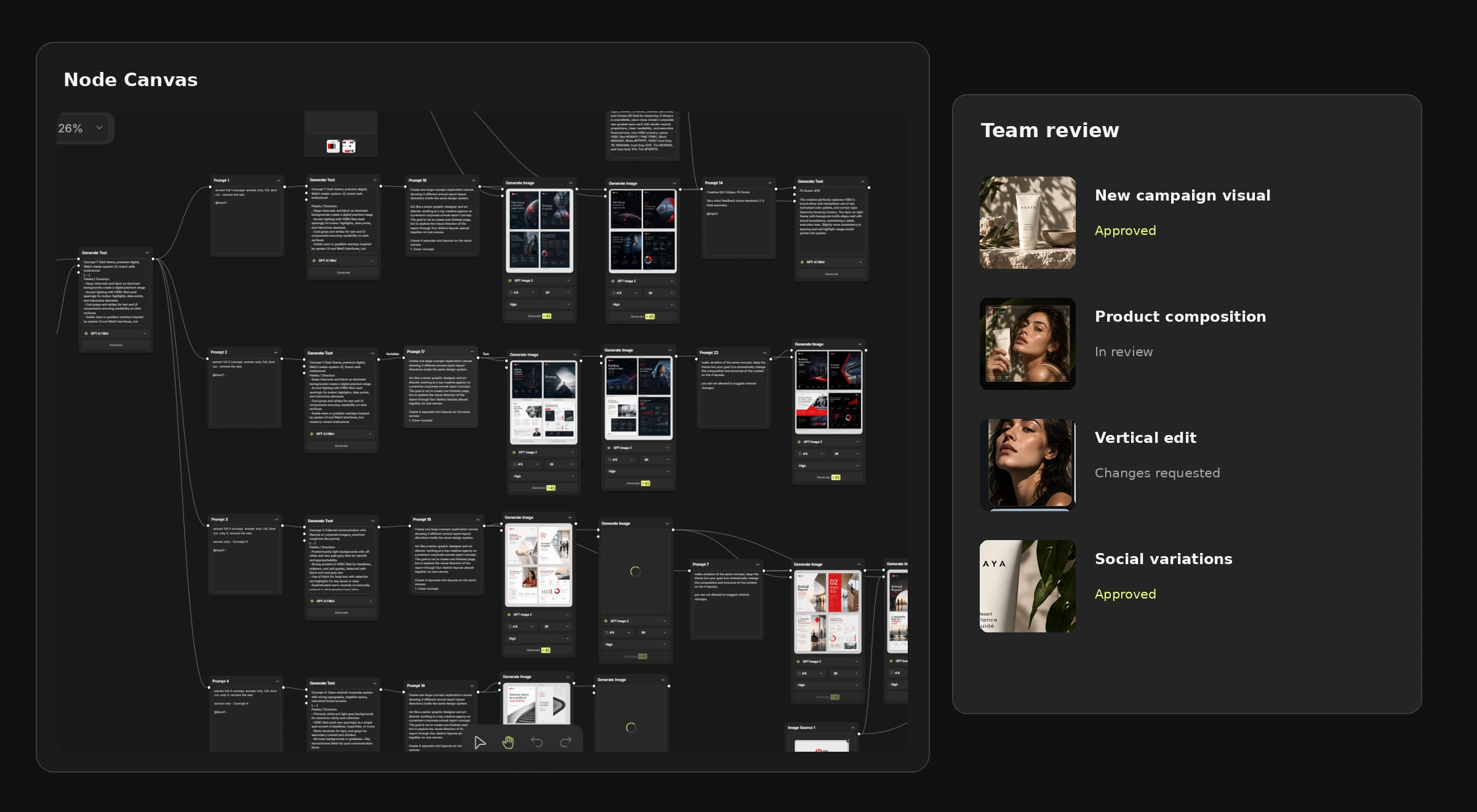
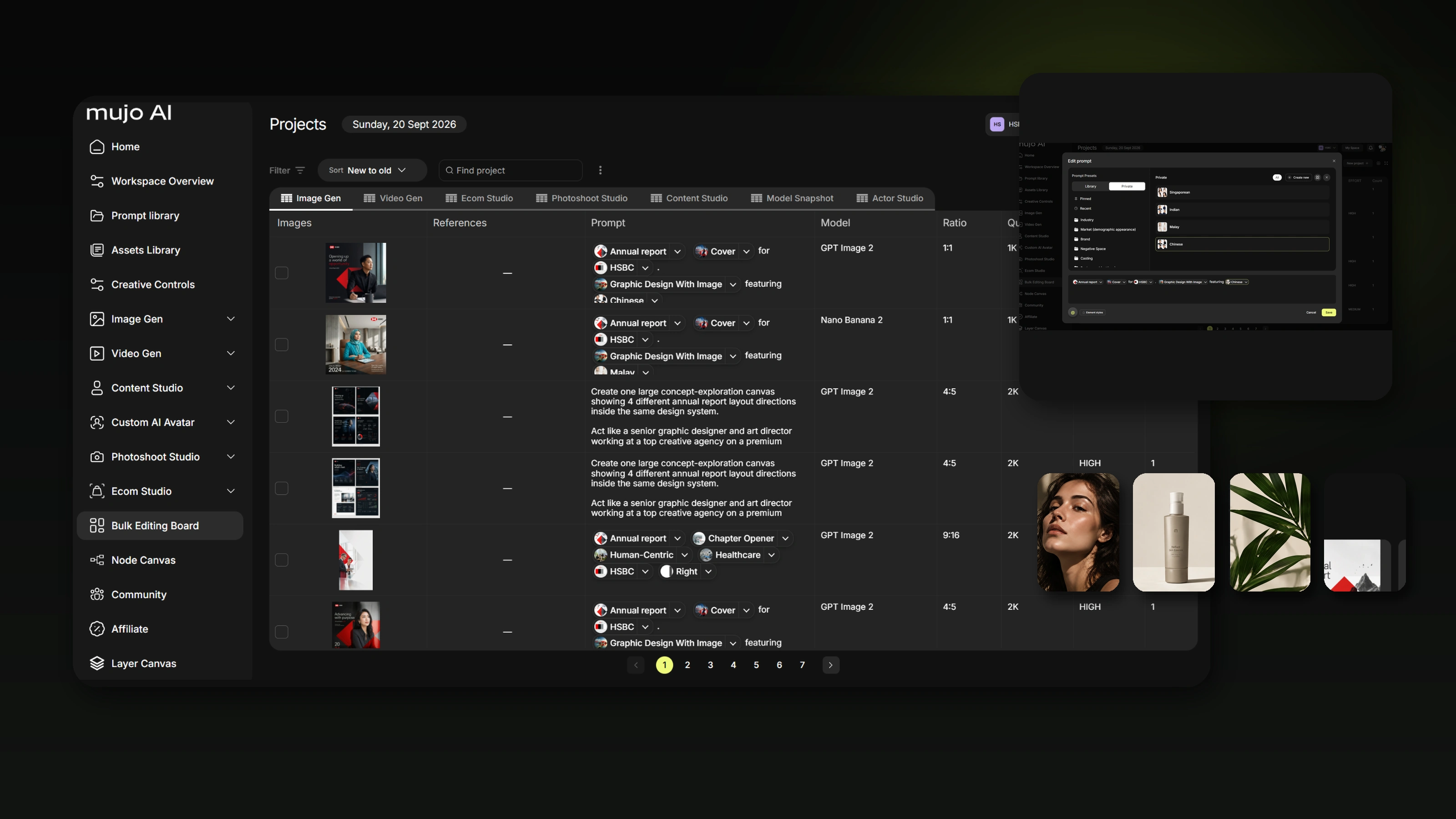
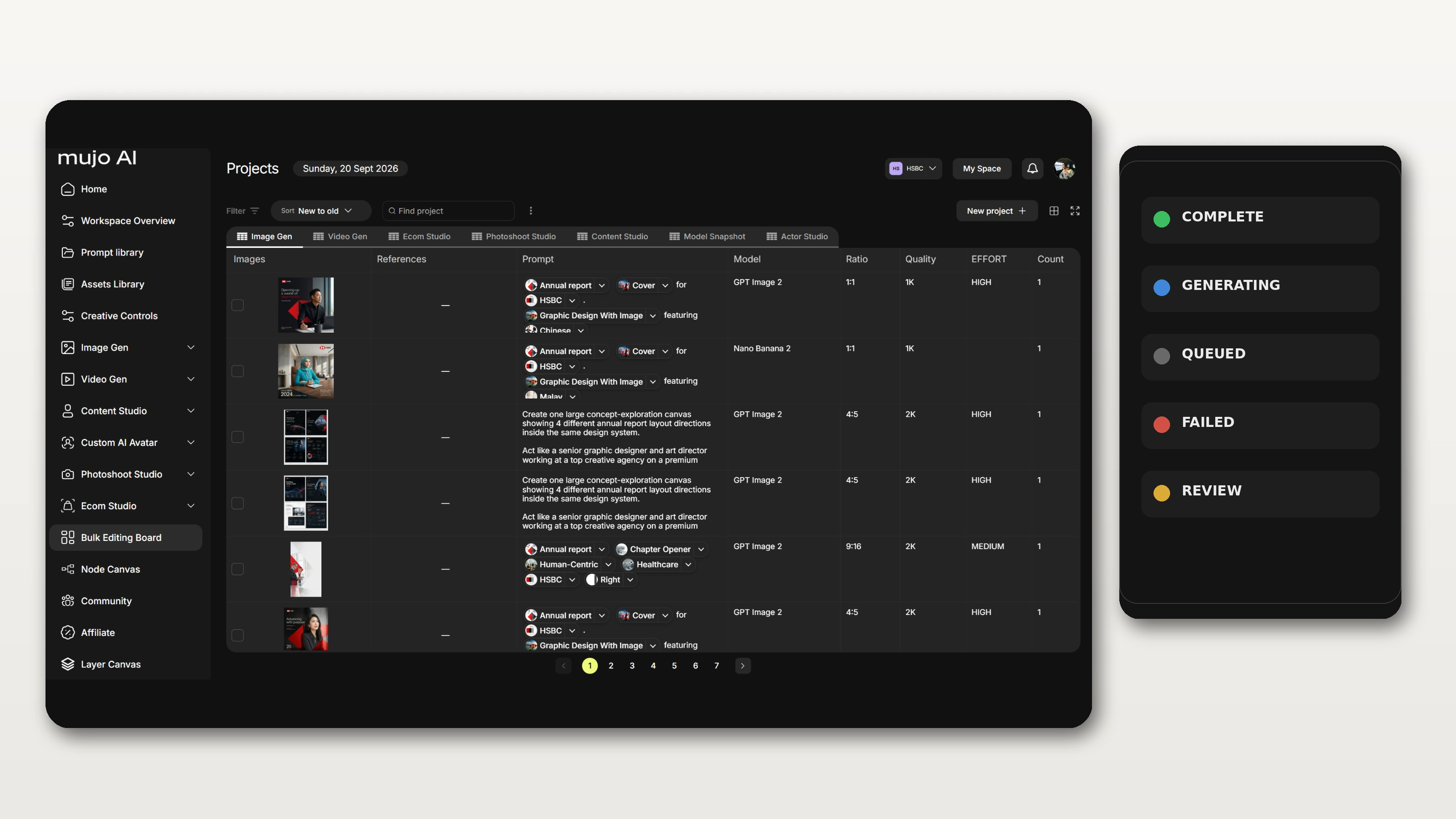
How Mujo AI Helps You Optimize Keywords and Sell More
Keyword optimization becomes hard when you scale. One SKU is manageable. A catalog is chaos. The real challenges are consistency, speed, and keeping listings human.
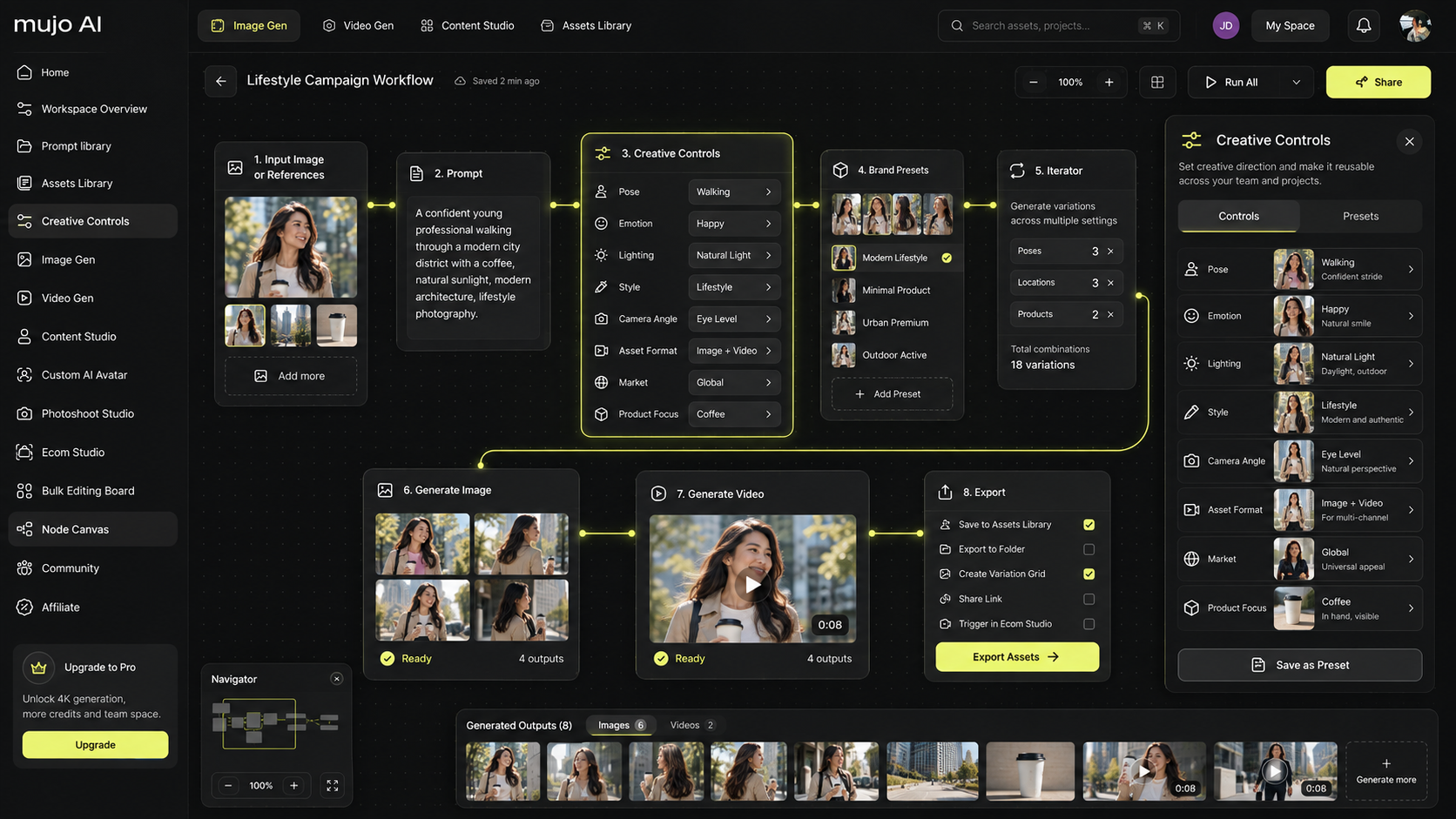
Mujo AI helps by turning optimization into a structured workflow:
- transform keyword insights into structured listing visuals, not just text
- generate galleries that follow a conversion order: hero, benefit, proof, in-use, included, comparison
- keep variant visuals consistent so your store feels trustworthy
- create image frames that map directly to the buyer intents you found in keyword research
- build A+ style modules and feature highlights that communicate long-tail value without stuffing
A practical Mujo way to work:
- Do keyword clustering by intent
- Pick the top three buyer questions hidden in your keywords
- Generate seven to nine gallery images that answer those questions
- Align copy blocks to the same clusters
- Export a cohesive listing kit that looks like a brand, not a patchwork
FAQ
How many keywords should a product listing target?
Start with one primary keyword, a handful of secondary attributes, and a set of long-tail phrases that cover real use cases and outcomes. More is not always better if it hurts clarity.
Should I repeat the primary keyword in every bullet?
No. Use the title for the primary term, then use bullets to expand intent coverage. Repetition wastes space and can make copy feel spammy.
Do long-tail keywords help on marketplaces?
Yes, because they often match high-intent searches. They also help you speak directly to specific buyer needs, which improves conversion.
How do I know if my keyword optimization is working?
Look for stronger click-through rate from search, better conversion rate on the product page, and more organic search terms showing impressions and sales over time. The listing should also feel clearer to a human reader.
What’s the fastest optimization win?
Make the title readable and specific, rewrite bullets so each one targets a different intent cluster, and add the missing gallery frames that prove your top clusters, such as included, detail, in-use, or comparison.